
Why Is Gratitude Hard Sometimes?
Discover why gratitude can feel difficult at times and learn practical ways to cultivate a thankful heart even during stress, pain, or uncertainty. Simple, human-centered tips for daily gratitude"Why Is Gratitude Hard Sometimes?"
Written By Missionary Ps Javed Niamat
5/1/20263 min read
Why Is Gratitude Hard Sometimes?
Introduction
Gratitude is often described as the key to happiness. We hear phrases like “be thankful,” “count your blessings,” and “focus on the positive.” While these ideas are powerful, the truth is that gratitude is not always easy.
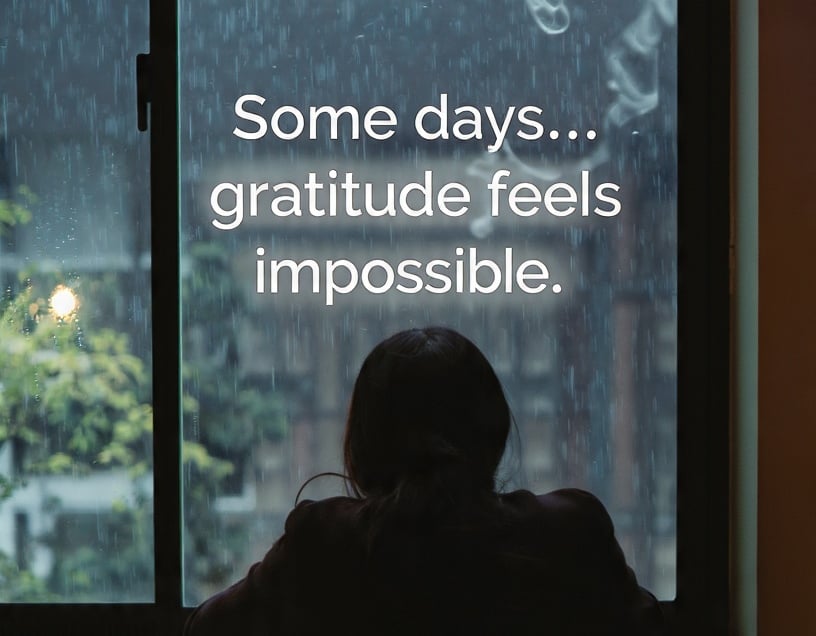
There are days when life feels overwhelming—when stress, disappointment, or pain make it difficult to see anything good at all. In those moments, gratitude can feel forced, distant, or even impossible.
If you’ve ever struggled to feel thankful, you’re not alone. Gratitude is a practice, not a constant emotion. And understanding why it can be hard is the first step toward making it more natural and meaningful in your life.
Why Gratitude Can Be Difficult
1. We Are Naturally Wired to Notice Problems
Human brains are designed to detect threats and problems. This is called a “negativity bias.” It helped our ancestors survive, but today it often causes us to focus more on what’s wrong than what’s right.
You might have a day with many good moments—but one negative experience can overshadow them all.
This doesn’t mean you are ungrateful. It means your brain is doing what it was trained to do.
2. Stress and Busyness Take Over
Modern life is fast-paced. Between work, responsibilities, and constant distractions, many people don’t pause long enough to reflect.
When you are rushing from one task to another, gratitude gets pushed aside. It’s not that you don’t have things to be thankful for—you simply don’t have the time or mental space to notice them.
3. Pain and Difficult Seasons Make It Hard
Gratitude becomes especially challenging during difficult times—loss, illness, financial stress, or emotional struggles.
In these moments, being told to “just be grateful” can feel insensitive or unrealistic.
True gratitude does not ignore pain. It exists alongside it.
4. Comparison Steals Joy
In today’s world, especially with social media, it’s easy to compare your life with others.
Someone else seems more successful
Someone else appears happier
Someone else has what you wish you had
Comparison shifts your focus from appreciation to dissatisfaction.
5. Unrealistic Expectations
Sometimes we believe life should always go according to our plans. When things don’t work out, we feel disappointed or frustrated.
These unmet expectations can block gratitude because we focus on what’s missing instead of what’s present.
The Truth About Gratitude
Gratitude is not about pretending everything is perfect.
It’s about recognizing good—even when life is not perfect.
It doesn’t mean ignoring struggles. It means choosing to notice small blessings within those struggles.
How to Practice Gratitude (Even When It’s Hard)
1. Start Small
Gratitude doesn’t have to be big or dramatic.
Start with simple things:
A warm cup of coffee
A kind word from someone
A quiet moment of peace
Small gratitude is still powerful.
2. Write It Down
Keeping a gratitude journal can help shift your mindset.
Each day, write down 3 things you are thankful for. Over time, this trains your brain to notice the positive more naturally.
3. Be Honest About Your Feelings
You don’t have to force gratitude when you are hurting.
It’s okay to say:
“I’m struggling today, but I’m thankful for one small thing.”
Gratitude becomes more meaningful when it is real.
4. Limit Comparison
Reduce time spent comparing your life to others.
Instead, focus on your own journey and growth.
Remember: what you see online is often only the highlight, not the full story.
5. Practice Mindfulness
Slow down and be present.
Notice the details of your day—the sounds, sights, and small moments.
Mindfulness helps you see what you might normally overlook.
6. Reframe Challenges
Ask yourself:
What can I learn from this?
Is there any small good in this situation?
This doesn’t remove the difficulty, but it helps you grow through it.
The Benefits of Gratitude
Even though gratitude can be hard, it is worth practicing.
Research shows that gratitude can:
Improve mental health
Reduce stress and anxiety
Increase happiness
Strengthen relationships
Improve overall well-being
Gratitude doesn’t change your situation instantly—but it changes how you experience it.
A Gentle Reminder
You don’t have to feel grateful all the time.
There will be days when you feel tired, overwhelmed, or discouraged—and that’s okay.
Gratitude is not about perfection. It’s about practice.
Even one small moment of thankfulness is enough.
Conclusion
Gratitude can be hard because life is not always easy. Stress, pain, comparison, and expectations can all make it difficult to feel thankful.
But gratitude is still possible—even in small ways.
By slowing down, focusing on simple blessings, and being kind to yourself, you can develop a habit of gratitude that feels natural and genuine.
Take it one day at a time.
You don’t need to be grateful for everything—just something.
SEO Optimization Tips
Use keywords naturally in headings and paragraphs
Add internal links to related mental health or lifestyle articles
Include engaging images with alt text like “gratitude during hard times”
Share on social media for better reach
Final Encouragement:
Even on your hardest days, there is still something small to be thankful for. Start there—and let gratitude grow from that place.