
Wash These 5 Body Parts Daily to Live a Longer.
Discover the 5 essential body parts seniors should wash daily for better health, hygiene, and longevity. A simple guide for the elderly to live longer, cleaner, and happier lives.
Written by Pastor Javed Niamat Missionary Pastor & Founder of Hope in Everyday Dedicated to sharing faith-based encouragement, hope, and practical wisdom for daily life.
11/1/20253 min read
Introduction: The Power of Simple Hygiene for a Longer Life
Aging gracefully isn’t only about eating healthy or taking vitamins — it’s also about maintaining small daily habits that protect your overall health. One of the most overlooked yet vital habits is personal hygiene.
As we age, our immune system weakens, our skin becomes more delicate, and infections can take a heavier toll. Proper cleaning — especially of certain parts of the body — can prevent disease, improve circulation, and even boost mood and confidence.
So, what should seniors focus on most? Here are the 5 body parts you should wash daily to stay healthy, strong, and radiant — no matter your age.
1. Your Hands — The Frontline of Health
Why it matters:
Hands are the body’s most active contact point — touching food, people, doorknobs, and even our faces. Bacteria and viruses can easily spread through this contact, leading to colds, flu, or stomach infections.
Elderly advice:
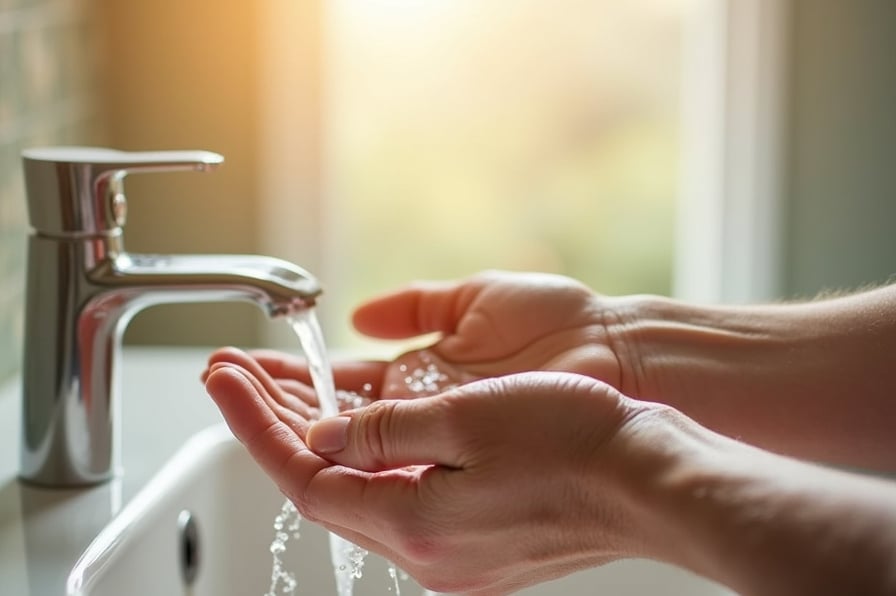
Because aging skin is thinner, use a gentle, moisturizing soap with lukewarm water. Wash for at least 20 seconds, focusing on the spaces between fingers and under nails. Dry hands gently and apply hand cream to prevent cracks that can harbor germs.
Pro Tip: Keep alcohol-based sanitizer handy, especially after grocery trips, handling money, or using public transport.
2. Your Feet — The Forgotten Foundation
Why it matters:
Feet carry the entire body all day long. For seniors, poor foot hygiene can lead to fungal infections, odor, or even dangerous ulcers, especially for those with diabetes or circulation issues.
How to care:
Wash your feet daily in warm water with mild soap.
Dry between the toes thoroughly — moisture trapped here invites fungus.
Moisturize heels and soles, but avoid lotion between toes.
Trim nails carefully or get them professionally done to avoid ingrown nails.
Bonus Tip:
Massage your feet gently with oil to improve blood circulation and reduce stiffness — a small act that promotes better sleep and joint health.
3. Your Mouth — Gateway to Overall Health
Why it matters:
Oral health is directly linked to heart health, digestion, and immunity. Studies show that poor oral hygiene increases risks of stroke and heart disease. Seniors often face dry mouth, gum issues, and tooth decay, especially if on medications.
What to do daily:
Brush twice a day with a soft-bristle brush and fluoride toothpaste.
Clean your tongue to remove bacteria and improve taste.
Use antiseptic mouthwash or salt water rinses to kill germs.
If you wear dentures, remove and clean them nightly.
Remember: Regular dental checkups can prevent infections that often go unnoticed.
4. Your Ears — Clean, But With Care
Why it matters:
Earwax helps protect against dirt and bacteria, but buildup can cause hearing loss, dizziness, or infections. Seniors using hearing aids or cotton swabs may accidentally push wax deeper, worsening the problem.
Safe cleaning tips:
Use a warm, damp cloth to clean the outer ear.
Never insert cotton swabs deep inside.
For buildup, use ear drops or have your doctor clean your ears safely.
Keep hearing aids clean and dry to prevent infection.
Did you know?
Maintaining ear health can improve balance — reducing the risk of falls among seniors.
5. Your Private Areas — Hygiene That Protects Dignity and Health
Why it matters:
Genital hygiene is crucial but often neglected due to mobility issues or embarrassment. Poor cleaning can cause infections, itching, and urinary issues, especially in older adults.
For elderly men and women:
Wash gently once daily with warm water (no harsh soaps).
Wear clean, breathable cotton underwear.
Change clothes after sweating or exercise.
For women, always wipe front to back to prevent infection.
For men, clean under the foreskin (if uncircumcised).
If you experience irritation, odor, or discomfort, consult a doctor promptly. Regular hygiene here supports comfort, confidence, and long-term urinary health.
Bonus: Keep These Areas Fresh Too
While the above five are top priorities, also remember:
Underarms: prevent odor and skin irritation.
Face and neck: refresh skin and prevent acne or buildup.
Scalp: wash regularly to prevent dandruff and itching.
Personal Reflection
Growing older has taught me that simple routines are sacred. When I take the time each morning to wash my hands, feet, and face — it’s not just hygiene; it’s self-respect. Many seniors I’ve met at our local church gatherings say these small habits make them feel renewed, clean, and connected — both to God and themselves.
Cleanliness isn’t vanity — it’s vitality.
Final Thoughts
Health doesn’t always come from big changes. Sometimes, it’s the quiet daily rituals — like washing — that make the biggest difference.
Clean skin, clear mind, and calm spirit go hand in hand. Seniors who practice mindful hygiene tend to live longer, move better, and feel happier.
Take it as a gentle reminder:
Clean body, clean soul — one wash at a time.