
The Power of Hope in Healing a Broken Heart
Discover the power of hope in healing a broken heart through faith, emotional healing, and practical steps to restore peace, strength, and purposeThe Power of Hope in Healing a Broken Heart"
Javed Niamat
1/3/20263 min read
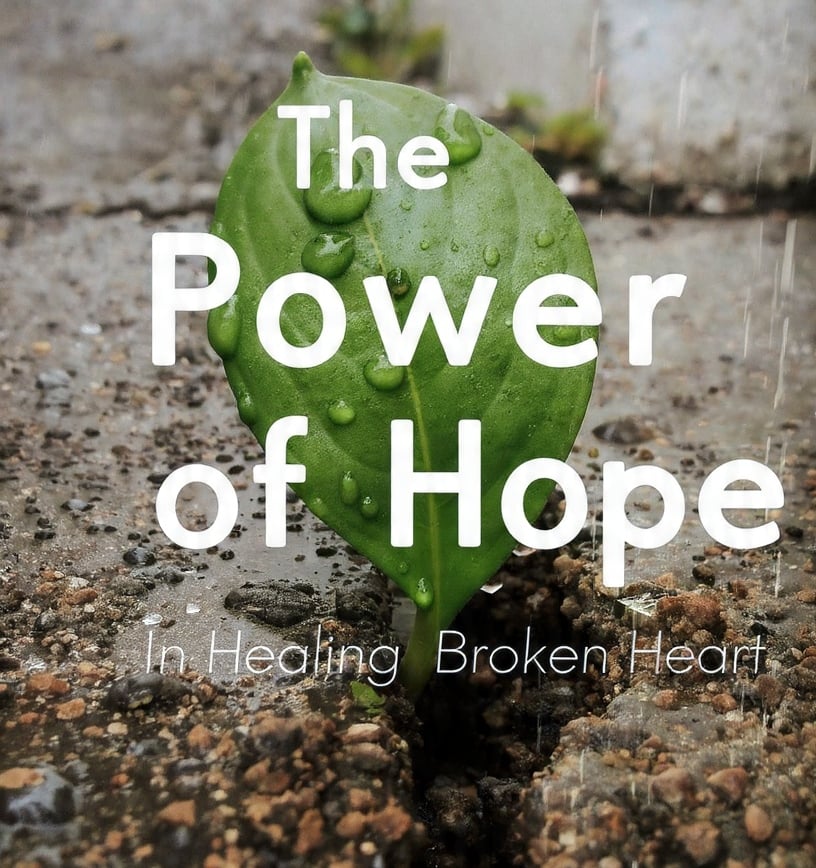
The Power of Hope in Healing a Broken Heart
Introduction: When Pain Feels Too Heavy to Carry
A broken heart is not just emotional—it affects your mind, body, and spirit. Whether the pain comes from losing a loved one, a painful breakup, betrayal, divorce, or deep disappointment, heartbreak can leave you feeling empty, exhausted, and unsure of who you are anymore. Nights feel longer, memories feel heavier, and the future feels uncertain.
If you are walking through this season, know this first: your pain is real, and your healing matters. Hope may feel distant right now, but it is not gone. This article explores the power of hope in healing a broken heart, combining psychological research, spiritual truth, and practical steps to help you move from pain toward restoration.
Understanding the Reality of a Broken Heart
Heartbreak is one of the most intense emotional experiences a human can face. According to research published by the American Heart Association, severe emotional stress can even trigger physical symptoms such as chest pain, fatigue, shortness of breath, and sleep problems—often referred to as broken heart syndrome.
Emotionally, heartbreak may cause:
Deep grief or sadness
Loss of trust
Anxiety or fear
Emotional numbness
A sense of hopelessness
These reactions are not signs of weakness. They are natural responses to loss and emotional trauma. Healing begins when we stop minimizing our pain and start caring for it.
Why Hope Is Essential for Healing
Hope is not pretending everything is fine. Hope is the belief that pain is not the final chapter. Psychologists define hope as the ability to imagine a meaningful future despite present suffering.
Studies in positive psychology show that hope:
Reduces emotional stress
Improves coping skills
Strengthens resilience
Encourages healthy decision-making
Without hope, pain feels endless. With hope, healing becomes possible—even if it happens slowly.
How Faith Strengthens Hope in Times of Heartbreak
When emotions are unstable, faith provides an anchor. The Bible speaks directly to those with broken hearts: “He heals the brokenhearted and binds up their wounds” (Psalm 147:3).
Faith does not remove pain instantly, but it reminds us:
God sees our tears
God is near in our suffering
Healing is a process, not a race
If heartbreak has shaken your trust in God, you may find encouragement in this internal article: How to Trust God Again After Disappointment.
The Emotional Healing Power of Hope
Hope works gently but consistently. It does not rush healing—it supports it.
1. Hope Calms Overwhelming Emotions
Hope interrupts destructive thought patterns and helps regulate emotional pain.
2. Hope Restores Self-Worth
Heartbreak often attacks identity. Hope reminds you that your value is not defined by rejection or loss.
3. Hope Encourages Forward Movement
Even small steps—getting out of bed, praying, journaling—become possible when hope is present.
Practical Ways to Cultivate Hope After Heartbreak
Healing requires patience and intentional care. Here are practical, research-supported ways to nurture hope:
Practice Honest Prayer
Speak openly with God. You do not need perfect words—only honesty.
Journal Your Emotions
Writing helps process grief and track emotional progress over time.
Limit Isolation
While solitude can help initially, long-term isolation deepens pain. Gentle connection is healing.
Care for Your Body
Adequate sleep, nutrition, and movement are essential for emotional recovery.
For spiritual growth during healing, read our internal guide: How to Strengthen Your Hope Through Prayer.
What to Do When Healing Feels Slow
Some wounds take time—and that is okay. Healing is not linear. According to the National Institute of Mental Health, emotional recovery often improves when people combine faith, community support, and professional care.
If heartbreak leads to persistent depression or anxiety, seeking help is a sign of strength, not failure.
Helpful external resources include:
American Psychological Association articles on grief and emotional recovery
National Alliance on Mental Illness (NAMI) support resources
Turning Heartbreak Into Growth
Many people discover that heartbreak, though painful, becomes a place of growth. Compassion deepens. Faith matures. Emotional strength increases.
Hope does not erase the past—it transforms pain into wisdom.
Frequently Asked Questions (FAQs) About Healing a Broken Heart
How long does it take to heal a broken heart?
Healing a broken heart has no fixed timeline. Emotional healing depends on the depth of the loss, personal coping skills, support systems, and faith. For many people, hope grows gradually through consistent self-care, prayer, and emotional support.
Can hope really help with emotional pain?
Yes. Psychological research shows that hope reduces stress, improves emotional regulation, and increases resilience. Hope helps the brain imagine a future beyond pain, which is essential for healing.
Does faith help in healing heartbreak?
Faith provides spiritual grounding, comfort, and meaning during emotional pain. Prayer, Scripture, and trust in God’s presence often strengthen hope and reduce feelings of despair during heartbreak.
What are small steps to rebuild hope after heartbreak?
Small steps include journaling emotions, praying honestly, reconnecting with trusted people, caring for your body, and practicing gratitude. Healing happens through consistent, gentle actions.
When should I seek professional help for a broken heart?
If heartbreak leads to persistent depression, anxiety, emotional numbness, or hopelessness, seeking help from a counselor, therapist, or pastor is a healthy and courageous step.
Conclusion: Hope Is Still Healing You
If your heart feels broken today, know this: healing is possible. Hope may feel small, but it is powerful. With time, faith, and gentle care, your heart can be restored.
You are not forgotten. God is near. And hope is still at work—quietly healing you, one day at a time.