The Importance of Mental Health in Older Age.
Discover why mental health matters in older age and learn simple, proven ways to protect your mind, find peace, and stay connected as you grow older.The Importance of Mental Health in Older Age."
Javed Niamat
10/27/20256 min read
The Importance of Mental Health in Older Age.
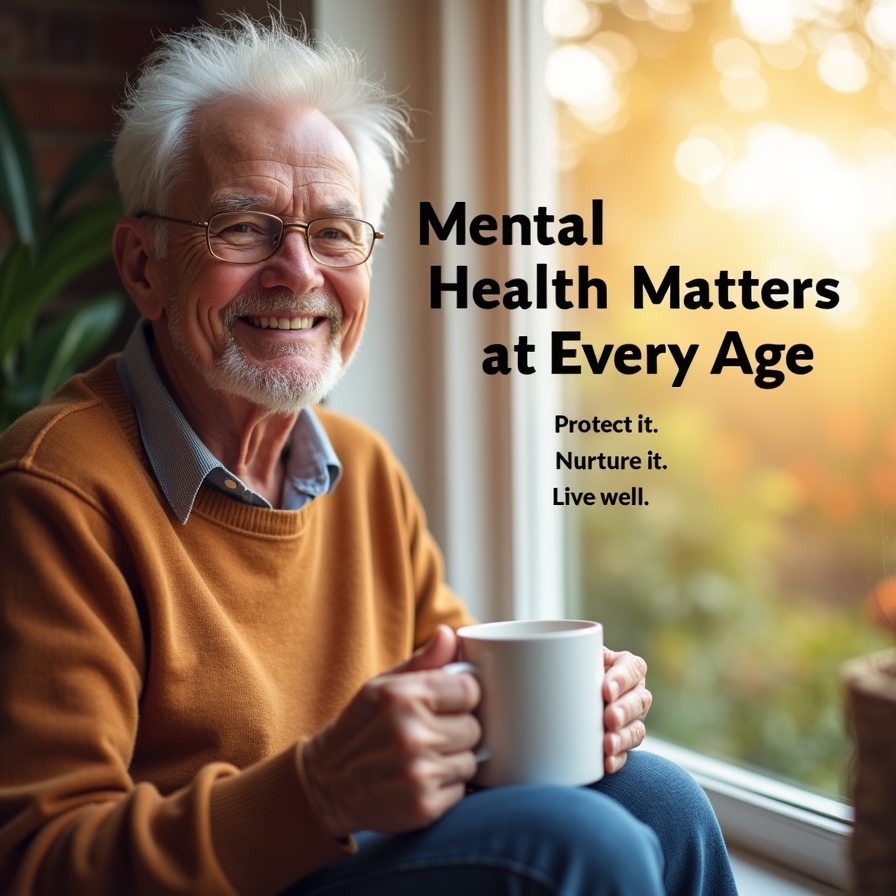
Growing older is a season of rich experience, new rhythms, and (if we choose it) deeper peace. But it’s also a time when our mental health—our emotional, psychological and social well-being—needs special care. The good news is that with the right mindset, resources, and habits, we can thrive mentally in our later years, not just endure them.
In this article we’ll explore why mental health matters in older age (for you or for loved ones), what threats can arise, and practical steps you can take to protect it. We’ll include current research and helpful links you can dive into.
Why mental health matters more than ever
The World Health Organization (WHO) emphasises that by 2030, one in six people globally will be age 60 or older. (World Health Organization) As we age, even when physical health is good, our risk of mental disorders such as depression or anxiety becomes significant. According to WHO: “Around 14% of adults aged 60 and over live with a mental disorder.” (World Health Organization)
Why does this matter?
Poor mental health reduces quality of life: It affects how much we enjoy our activities, how well we relate to family and friends, and how much purpose we feel.
It impacts physical health: Mental distress can worsen chronic diseases, impair sleep, weaken immunity—and may even shorten life.
It affects independence: When mental health suffers, it can knock out the ability to make good decisions, maintain routines or maintain social connection.
It often goes unseen: Many older adults think mood changes are just part of ageing, so help may be delayed. The National Institute of Mental Health (NIMH) notes that “mental health conditions are not a normal part of aging” and that recognising the signs is the first step. (National Institute of Mental Health)
Put simply: looking after mental health in older age is not optional—it’s essential for living fully.
Common threats to mental health in later years
Here are some of the key factors that can threaten mental wellbeing as we age:
Loneliness & social isolation
Older adults are more likely to face loss of friends or spouse, mobility issues, or retirement that reduces social contact. The WHO lists “loneliness and social isolation” as key risk factors for mental health conditions in later life. (World Health Organization)
Loss of purpose or role
Retirement, loss of loved ones, or physical decline can erode a sense of purpose. Without something meaningful to hold onto, mood and motivation can suffer.
Physical health and chronic illness
As we age, physical health often declines. Illness, pain, or reduced mobility raise the risk of depression and anxiety. Chronic diseases also often carry mental burdens. “The burden of chronic disease can negatively affect the psychological well-being of older adults,” one article notes. (Journal of Ethics)
Ageism and stigma
Older adults may face discrimination, internalised ageist beliefs (“I’m too old”), or dismissive attitudes toward mental health (“It’s just getting old”). These attitudes delay help-seeking. The Alliance for Aging Research highlights that older adults with mental health conditions “are one of the most disenfranchised groups in U.S. society.” (Alliance for Aging Research)
Cognitive decline and dementia risk
Changes in memory, thinking or brain health can evoke fear, frustration and isolation. Research shows how psychosocial factors tie into cognitive health too. (PubMed)
Life transitions and stress
Moving house, losing a spouse, relocating to assisted living or navigating new technology can all add stress. The Brookings article on older adults in the U.S. emphasises that “aging into older adulthood introduces many mental health stressors” including such transitions. (Brookings)
Recognising these threats is the first step toward protecting your mental health.
The upside: older age can bring resilience, wisdom & meaning
Here’s a hopeful truth: ageing can also bring strengths—emotional regulation, deeper perspective, richer relationships. One study found an “inverted U-shaped trend” meaning mental health and psychosocial well-being can rise into older-old age before slight decline—and older adults often show resilience. (PubMed)
The AMA journal states: “Older adults face various challenges… yet their mental health and well-being deserve attention as much as their physical health.” (Journal of Ethics)
So the goal is not just “prevent decline” but “promote flourishing.”
Practical steps to protect and promote mental health
Here are some concrete, research-backed ways to look after mental wellbeing in older age. You can pick one or two to start, then build from there.
1. Stay socially connected
Reach out to friends, family, neighbours regularly.
Join a club, community group or faith-based gathering.
Consider volunteering: purpose + connection = mental health boost.
Social isolation is one of the strongest risk factors. The WHO calls for physical and social environments that support well-being in older age. (World Health Organization)
2. Maintain physical activity
Exercise isn’t just for muscles—it benefits the mind. Physical activity improves mood, sleep, cognitive performance and resilience. (See our earlier blog on gentle exercise for seniors.)
One Time magazine article noted that exercise increases brain-derived neurotrophic factor (BDNF) and reduces brain inflammation. (TIME)
3. Keep the mind stimulated
Whether it’s reading, puzzles, music, learning an instrument or taking a class—cognitive activity helps protect against decline. One study linked social and musical engagement with better brain health in older adults. (The Guardian)
4. Practice meaning, purpose & spirituality
Having a sense of purpose gives older adults something to wake up for. Whether writing memoirs, mentoring, serving others or deepening faith—purpose supports mental health. A simple habit of having purpose was shown to reduce risk of cognitive impairments. (The Times of India)
5. Manage stress, grief & transitions
It’s normal to feel sadness when change happens—retirement, loss of friends, health shifts. But long-term distress needs addressing. Mindfulness, prayer, counselling, grief groups—all help. The NIMH lists symptoms to watch for (persistent sadness, hopelessness, sleep changes). (National Institute of Mental Health)
6. Seek help when needed
Mental health issues in older adults often go untreated. The survey in older U.S. adults found 28.5% had hesitation about seeking care. (PubMed)
There is no shame in asking for help. A primary care provider, mental health specialist, or trusted friend can initiate the conversation. Early help = better outcome.
7. Foster healthy lifestyle habits
Good sleep: aim for consistent routine and restful environment.
Balanced diet: nutrition affects mood and brain health (see our blog on nutrition after 60).
Limit alcohol: misuse in older adults is rising and can harm mood and brain health. (Alliance for Aging Research)
Stay hydrated and mobile.
8. Technology and digital connection
Using smartphones, tablets or computers to connect, learn, engage can help. Research across 23 countries found regular internet use among older adults associated with fewer depressive symptoms and higher life satisfaction. (Reddit)
Learning new digital tools also keeps the brain active.
Roadmap for your mental-health checkup
Here’s a simple plan you can use or share:
Weekly: Call or meet a friend; try a new class or walk; journal one meaningful moment.
Monthly: Review how you feel emotionally; join a new group or volunteer once; check in on your purpose.
As needed: If you notice signs like persistent sadness, loss of interest, hopelessness, sleep problems or “just not yourself,” talk to your doctor or a counsellor. See NIMH’s list of symptoms. (National Institute of Mental Health)
Remember: mental health doesn’t mean “constantly happy.” It means resilient, connected, able to face challenges and still find meaning.
Suggested Internal & External Links
Internal links (on your site):
“Gentle Exercises for Seniors at Home to Stay Fit” (link to your exercise article)
“Nutrition After 60: Foods That Boost Energy and Longevity” (link to your nutrition article)
“Why Every Senior Should Share Their Wisdom Through Storytelling” (link to your storytelling article)
External links (for deeper reading & authority):
World Health Organization – Mental health of older adults: https://www.who.int/news-room/fact-sheets/detail/mental-health-of-older-adults (World Health Organization)
NIMH – Older adults and mental health: https://www.nimh.nih.gov/health/topics/older-adults-and-mental-health (National Institute of Mental Health)
Brookings – The mental health landscape of older adults in the U.S.: https://www.brookings.edu/articles/the-mental-health-landscape-of-older-adults-in-the-us/ (Brookings)
Alliance for Aging Research – Mental Health: https://www.agingresearch.org/aging-health/mental-health/ (Alliance for Aging Research)
Key Takeaways
Mental health is as vital as physical health in older age.
Loneliness, loss, illness and ageism are real threats—but so are resilience, purpose and connection.
You are never too old to build habits that protect your mind and heart.
Start where you are: a call, a walk, a new hobby, a conversation.
Seeking help is a strength, not a weakness.
Final Thoughts
If you are reading this and you’re in your 60s, 70s or beyond—know this: you’re not invisible, your story continues, and your mind still matters. Every moment you choose connection, movement, purpose or kindness—you are investing in your mental health.
And if you care for an older loved one—listen, ask, encourage, walk alongside. Sometimes the greatest support is simple presence.
Let’s make our later years not just about holding on, but about thriving—with peace, joy, purpose and healthy minds. Because you matter. Your mind matters. Your story matters.
Would you like me to create image-overlay scripts (for Facebook or your blog) aligned with this article—highlighting mental-health tips for older adults?