The Healing Power of Forgiveness: Finding Hope Again
Discover the healing power of forgiveness and how letting go of resentment restores emotional health, spiritual peace, and lasting hope.
Javed Niamat
12/23/20254 min read

The Healing Power of Forgiveness: Finding Hope Again
Forgiveness is one of the most powerful—and misunderstood—human experiences. For many, the word brings up pain, injustice, and memories they would rather forget. Yet research, lived experience, and spiritual wisdom all point to the same truth: forgiveness is not about excusing harm; it is about healing the heart. When practiced intentionally, forgiveness becomes a pathway to freedom, emotional restoration, and renewed hope.
In a world marked by conflict, broken relationships, and unhealed wounds, forgiveness offers something rare: the chance to begin again. This article explores the healing power of forgiveness, the science behind it, its emotional and spiritual benefits, and practical steps to help you rediscover hope.
Understanding Forgiveness: What It Is—and What It Is Not
Forgiveness is often confused with forgetting, justifying wrongdoing, or reconciling at all costs. In reality, forgiveness is a conscious decision to release resentment and the desire for revenge. It does not deny the pain or minimize the harm done.
What forgiveness is:
A choice to let go of bitterness
A process that unfolds over time
An act of self-care and strength
What forgiveness is not:
Saying what happened was acceptable
Forgetting the offense
Automatically restoring trust
According to the American Psychological Association, forgiveness involves replacing negative emotions with more positive or neutral ones, leading to improved emotional well-being and mental health (external link: apa.org).
The Emotional Cost of Unforgiveness
Holding onto anger and resentment may feel justified, but it comes at a high emotional price. Studies show that unforgiveness is linked to increased stress, anxiety, depression, and even physical illness. When we replay painful memories repeatedly, our bodies respond as if the trauma is happening all over again.
Unforgiveness can:
Drain emotional energy
Disrupt sleep and focus
Increase blood pressure and stress hormones
Keep us stuck in the past
Psychologists from Johns Hopkins Medicine note that chronic anger puts you in a constant fight-or-flight state, which can weaken the immune system and affect heart health (external link: hopkinsmedicine.org).
The Science Behind Forgiveness and Healing
Forgiveness is not only a moral or spiritual practice—it is also a scientifically supported path to healing. Research in positive psychology shows that forgiving individuals experience lower levels of cortisol (the stress hormone) and higher levels of life satisfaction.
A well-known study published in the Journal of Behavioral Medicine found that forgiveness interventions reduced depression and anxiety while increasing hope and optimism. Brain imaging studies also reveal that forgiveness activates areas associated with empathy, emotional regulation, and problem-solving.
In simple terms, forgiveness helps rewire the brain. It teaches the mind to respond to pain with understanding rather than fear, opening space for hope to return.
Forgiveness and Hope: How They Are Connected
Hope thrives where emotional burdens are lifted. When resentment dominates the heart, it becomes difficult to imagine a better future. Forgiveness clears that emotional weight, allowing hope to grow again.
By forgiving:
You reclaim control over your emotional life
You stop allowing past pain to define your future
You make room for peace, joy, and possibility
As explored in our internal article How to Build a Hopeful Mindset Even in Dark Seasons, hope is not the absence of pain but the presence of meaning. Forgiveness restores meaning by transforming suffering into strength.
The Spiritual Dimension of Forgiveness
Across faith traditions, forgiveness is seen as a sacred act. In Christianity, forgiveness lies at the heart of Jesus’ teachings. “Forgive, and you will be forgiven” (Luke 6:37) emphasizes freedom rather than obligation.
Spiritually, forgiveness:
Releases the soul from bondage
Restores inner peace
Aligns the heart with compassion and grace
For believers, forgiveness is not a sign of weakness but a reflection of divine love working within us. As discussed in our internal article Bible Verses That Fill Your Heart With Hope Every Day, forgiveness renews faith and strengthens trust in God’s healing power.
When Forgiveness Feels Impossible
Some wounds are deep—betrayal, abuse, loss, or long-standing injustice. Forgiveness in these cases is not quick or easy, and it should never be forced. Healing begins with honesty.
If forgiveness feels impossible:
Acknowledge your pain without guilt
Seek professional counseling or pastoral support
Give yourself permission to heal at your own pace
Mental health professionals emphasize that forgiveness is a journey, not an event. According to the Mayo Clinic, even small steps toward forgiveness can reduce emotional distress and improve overall well-being (external link: mayoclinic.org).
Practical Steps to Begin the Forgiveness Process
Forgiveness is a practice that grows with intention and patience. Here are practical steps to help you begin:
1. Name the Hurt
Write down what happened and how it affected you. Naming the pain gives it boundaries and prevents it from controlling you.
2. Choose Forgiveness Daily
Forgiveness is often a repeated decision. Each time anger returns, gently choose release again.
3. Practice Empathy (Without Excusing Harm)
Understanding another person’s brokenness does not justify their actions—but it can soften your heart.
4. Let Go of Revenge Fantasies
Desire for revenge keeps wounds open. Releasing it restores emotional balance.
5. Focus on Your Healing
Forgiveness is about your freedom, not their apology. You heal whether or not they change.
These steps align with our internal guide How to Bring Hope to Others Through Your Words and Actions, which highlights how inner healing transforms outward relationships.
Forgiving Yourself: The Forgotten Key to Hope
Self-forgiveness is often harder than forgiving others. Many people carry guilt and shame for years, replaying past mistakes and believing they are unworthy of joy.
Self-forgiveness involves:
Accepting human imperfection
Learning from mistakes without self-condemnation
Extending grace to yourself
Research from Stanford University’s Forgiveness Project shows that self-forgiveness significantly reduces shame and increases resilience (external link: forgiveness.stanford.edu).
Hope is restored when you stop punishing yourself for a past you can no longer change.
Living a Forgiven Life
A forgiven life is not a pain-free life, but it is a lighter one. When forgiveness becomes a habit, relationships deepen, emotional health improves, and hope becomes sustainable.
People who practice forgiveness regularly report:
Greater peace of mind
Stronger relationships
Increased spiritual and emotional resilience
Forgiveness transforms suffering into wisdom and wounds into testimony. It allows you to move forward—not because the past didn’t matter, but because it no longer controls you.
Conclusion: Choosing Hope Through Forgiveness
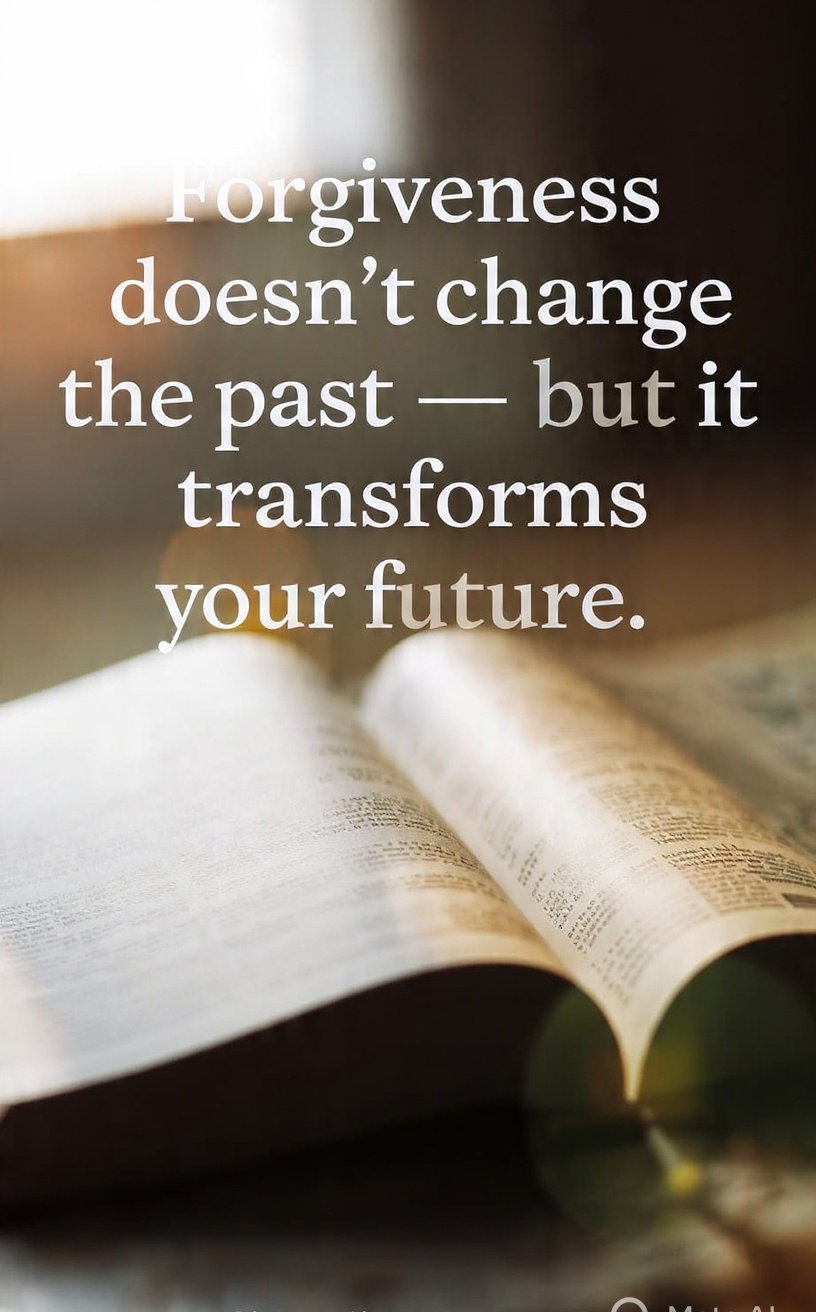
Forgiveness is a gift you give yourself. It does not erase the past, but it reshapes the future. Through forgiveness, pain loosens its grip, healing begins, and hope finds a way back into the heart.
No matter how deep the wound, forgiveness opens the door to renewal. When you choose forgiveness, you choose freedom. And where there is freedom, hope will always follow.