
Stress Relief Techniques.
Discover the best stress relief techniques for mental wellness and emotional balance. Learn practical ways to reduce stress naturally, improve mental health, boost happiness, and live a calmer, healthier life.
Written By Missionary Ps Javed Niamat
5/17/20265 min read
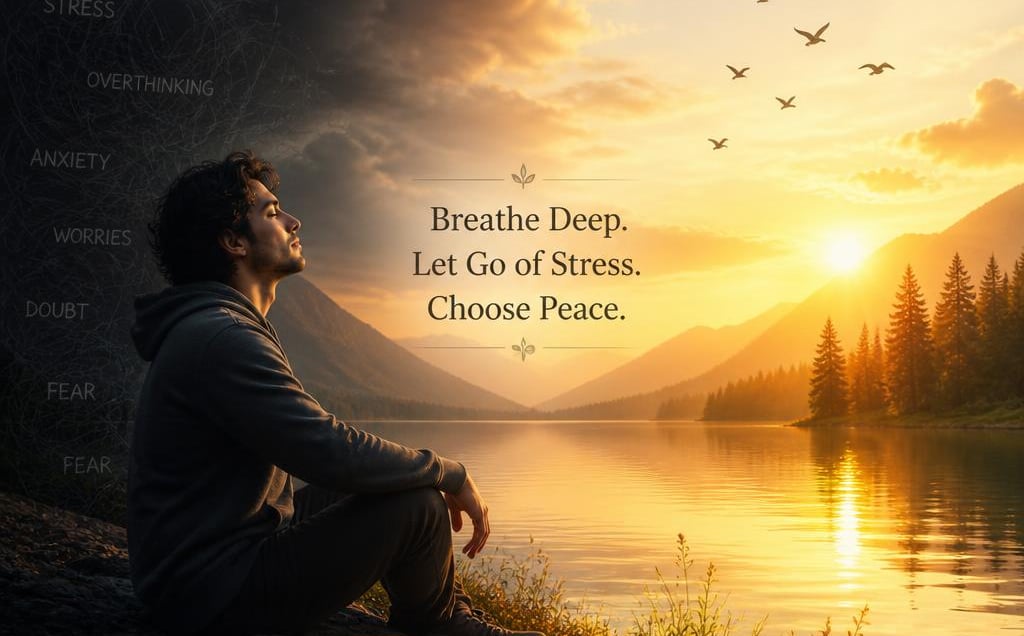
Stress Relief Techniques
Modern life is filled with pressure, responsibilities, deadlines, financial worries, and emotional challenges. Many people wake up already feeling tired, anxious, and overwhelmed. Stress has become a daily struggle for millions around the world. While some stress is normal, constant stress can damage mental, emotional, physical, and even spiritual health.
This is why learning healthy stress relief techniques is essential for a peaceful and balanced life.
Stress affects the body and mind in powerful ways. It can disturb sleep, increase anxiety, reduce focus, weaken relationships, and lower overall happiness. However, the good news is that stress can be managed with healthy habits, emotional awareness, and intentional self-care.
This article explores effective stress relief techniques that can help calm the mind, restore emotional balance, improve mental wellness, and create a healthier lifestyle.
What Is Stress?
Stress is the body’s natural response to pressure, fear, or challenges. When people face difficult situations, the body releases stress hormones that prepare the mind and body to react.
Short-term stress can sometimes be helpful because it increases focus and alertness. But long-term stress can become harmful.
Chronic stress may lead to:
Anxiety and depression
Headaches and fatigue
High blood pressure
Sleep problems
Emotional burnout
Poor concentration
Irritability and mood swings
Managing stress early is important for maintaining emotional and physical health.
Common Causes of Stress
Stress can come from many areas of life, including:
Work pressure
Financial struggles
Relationship problems
Health concerns
Family responsibilities
Social media overload
Fear of failure
Busy schedules
Negative thinking
Understanding the source of stress helps people respond more wisely and peacefully.
Why Stress Relief Matters
Stress relief is not only about feeling relaxed for a few moments. It is about protecting long-term mental wellness and emotional stability.
Healthy stress management helps people:
Think clearly
Sleep better
Improve relationships
Increase productivity
Feel emotionally balanced
Enjoy life more fully
Maintain physical health
A peaceful mind creates a healthier and happier life.
Best Stress Relief Techniques for Daily Life
1. Deep Breathing Exercises
Deep breathing is one of the fastest and most effective ways to calm stress naturally.
When people are stressed, breathing often becomes shallow and rapid. Slow breathing helps relax the nervous system and calm the mind.
Simple Deep Breathing Method
Sit comfortably
Close your eyes
Breathe in slowly through your nose
Hold your breath for a few seconds
Exhale slowly through your mouth
Repeat several times
Deep breathing reduces anxiety and creates emotional calmness.
2. Physical Exercise
Exercise is a powerful stress reliever because it releases natural chemicals that improve mood and reduce tension.
You do not need intense workouts to feel better. Even simple activities can reduce stress significantly.
Helpful activities include:
Walking outdoors
Stretching
Cycling
Yoga
Dancing
Light jogging
Regular movement improves emotional health and increases energy.
3. Spend Time in Nature
Nature has a calming effect on the mind and body. Fresh air, sunlight, trees, flowers, and peaceful surroundings can reduce stress naturally.
Spending time outdoors helps:
Lower anxiety
Improve mood
Increase relaxation
Refresh the mind
Even a short walk in a park can bring emotional relief.
4. Practice Gratitude
Gratitude changes the focus from problems to blessings. Stress often increases when people constantly focus on fear and negativity.
Simple gratitude habits include:
Writing daily blessings
Thanking people sincerely
Appreciating small moments
Reflecting on positive experiences
Grateful people often feel more peaceful and emotionally strong.
5. Improve Sleep Quality
Poor sleep increases stress and emotional exhaustion. Rest is essential for mental recovery.
Tips for Better Sleep
Sleep at consistent times
Avoid screens before bed
Keep the room peaceful and dark
Reduce caffeine at night
Relax your mind before sleeping
Quality sleep improves emotional balance and mental clarity.
Emotional Stress Relief Techniques
1. Talk to Someone You Trust
Keeping emotions bottled inside can increase stress. Sharing feelings with trusted friends, family members, or counselors can provide comfort and emotional support.
Healthy communication helps people feel understood and less alone.
2. Learn to Say No
Many people feel stressed because they try to please everyone. Taking on too many responsibilities can lead to emotional burnout.
Setting healthy boundaries protects mental wellness.
Saying no when necessary is an important form of self-care.
3. Let Go of Perfectionism
Trying to be perfect creates unnecessary pressure. Nobody is perfect, and mistakes are part of life.
Instead of chasing perfection, focus on growth and progress.
Peace grows when people accept themselves with patience and grace.
Relaxation Techniques for Stress Relief
Meditation and Mindfulness
Mindfulness means focusing on the present moment instead of worrying constantly about the future.
Meditation can help:
Calm racing thoughts
Improve focus
Reduce anxiety
Increase emotional awareness
Even a few quiet minutes daily can bring mental peace.
Listening to Peaceful Music
Music has a strong emotional effect on the brain. Soft and calming music can reduce tension and improve mood.
Peaceful music is especially helpful during stressful days or before sleeping.
Journaling
Writing thoughts and emotions in a journal helps release mental pressure.
Journaling allows people to:
Understand emotions better
Organize thoughts
Reflect on personal growth
Reduce emotional overload
It is a healthy and private way to process stress.
Spiritual Stress Relief
For many people, spiritual practices bring deep peace and emotional healing.
Spiritual stress relief may include:
Prayer
Worship
Reading Scripture
Meditation
Quiet reflection
Faith often gives people hope during difficult situations and reminds them they are not alone.
A peaceful spirit can calm an anxious mind.
Healthy Lifestyle Habits for Stress Management
Eat Nutritious Foods
Healthy foods support brain function and emotional wellness.
Stress can increase unhealthy eating habits, but balanced nutrition improves energy and mental clarity.
Choose foods like:
Fruits and vegetables
Whole grains
Healthy proteins
Nuts and seeds
Plenty of water
A healthy body supports a healthy mind.
Reduce Social Media Overload
Too much time online can increase stress, comparison, and emotional pressure.
Healthy digital habits include:
Limiting screen time
Taking social media breaks
Following positive content
Spending more time offline
Protecting your peace online is important for emotional wellness.
Laugh More Often
Laughter naturally reduces stress hormones and relaxes the body.
Spend time with joyful people, watch uplifting content, and allow yourself to smile more often.
Joy is powerful emotional medicine.
Daily Routine for a Stress-Free Life
Creating a peaceful routine helps reduce mental overload.
Morning Routine
Wake up calmly
Practice gratitude
Pray or meditate
Stretch or exercise lightly
Avoid checking stressful messages immediately
Starting the day peacefully creates emotional balance.
Midday Stress Relief
Take short breaks
Drink enough water
Breathe deeply
Step outside briefly
Avoid multitasking too much
Small pauses during the day help refresh the mind.
Evening Relaxation
Reduce screen time
Reflect on positive moments
Read something uplifting
Prepare for restful sleep
Peaceful evenings improve emotional recovery.
Signs That Stress Is Becoming Unhealthy
It is important to recognize warning signs early.
Common signs include:
Constant exhaustion
Irritability
Anxiety
Frequent headaches
Difficulty sleeping
Lack of motivation
Feeling emotionally overwhelmed
If stress becomes severe, seeking professional support is a wise and healthy step.
The Importance of Self-Care During Stressful Times
Self-care becomes even more important during difficult seasons.
Healthy self-care includes:
Resting properly
Eating healthy meals
Taking emotional breaks
Spending time with supportive people
Protecting your mental peace
Caring for yourself helps build emotional resilience and strength.
Long-Term Benefits of Stress Relief Techniques
Consistent stress management creates long-lasting benefits for both mind and body.
Over time, healthy stress relief techniques can:
Improve mental wellness
Increase happiness
Strengthen emotional resilience
Improve relationships
Support physical health
Create a more peaceful life
Small healthy habits create powerful lifelong change.
Conclusion
Stress is a normal part of life, but it does not have to control your mind or steal your peace. Learning healthy stress relief techniques can help you feel calmer, stronger, and emotionally balanced even during difficult seasons.
Simple habits like deep breathing, exercise, gratitude, prayer, healthy sleep, emotional support, and mindfulness can transform mental wellness over time.
Remember that peace begins with small daily choices. Protect your emotional health, slow down when necessary, and make self-care a priority.
A calm mind, a peaceful heart, and healthy habits can help you live a happier and more meaningful life.
When you manage stress wisely, you create space for joy, hope, healing, and emotional freedom.