
Simple Life Hacks to Reduce Anxiety Without Medication
Discover simple life hacks to reduce anxiety naturally. Calm your mind, lower stress, and feel more balanced—without medication.Simple Life Hacks to Reduce Anxiety Without Medication"
Javed Niamat
12/30/20253 min read
Simple Life Hacks to Reduce Anxiety Without Medication
Anxiety doesn’t always arrive as panic. Often it shows up quietly—tight shoulders, racing thoughts, shallow breathing, or a constant feeling of being “on edge.” If you’re experiencing this, you’re not broken—and you’re not alone.
Millions of people live with anxiety, especially in a fast, always-on world. While medication can be helpful for some, many people look for gentle, natural ways to reduce anxiety—methods that support the mind and body without side effects or dependency.
The good news is that anxiety is responsive to small, consistent changes. Below are simple, science-supported life hacks that help calm your nervous system and restore a sense of control—naturally.
Important note: These tips are for everyday anxiety and stress. If anxiety is severe or persistent, professional support is important.
Understanding Anxiety (Without the Shame)
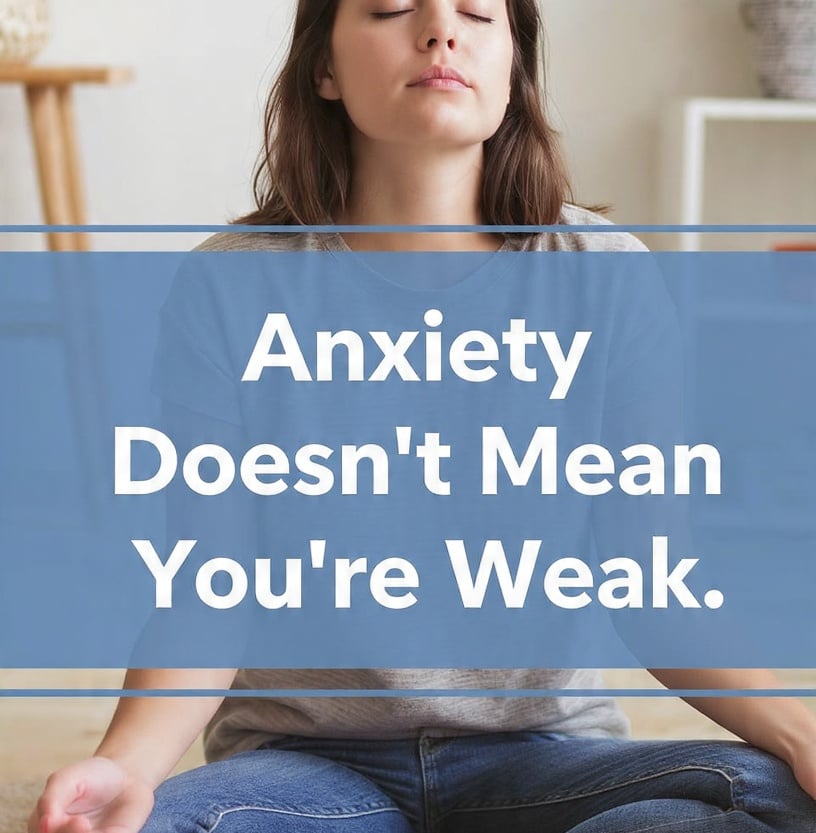
Anxiety is not weakness. It’s a survival response.
According to the American Psychological Association, anxiety is your brain’s way of protecting you from perceived threats—even when those threats are emotional, social, or imagined.
When anxiety becomes constant, it’s usually because your nervous system is overstimulated, not because something is “wrong” with you.
1. Calm Your Nervous System With Slow Breathing
Anxiety speeds up breathing. Slow breathing sends a signal of safety to the brain.
Life hack:
Try the 4–6 breathing pattern:
Inhale for 4 seconds
Exhale for 6 seconds
Repeat for 3–5 minutes
Research summarized by the National Center for Complementary and Integrative Health shows controlled breathing lowers stress hormones and reduces anxiety symptoms.
2. Reduce Anxiety by Reducing Stimulation
Your brain wasn’t designed for constant alerts, noise, and screens.
Try:
Turning off non-essential notifications
Keeping your phone face-down during rest
Scheduling short screen-free breaks
The National Institutes of Health links excessive digital stimulation with increased anxiety and mental fatigue.
Internal link suggestion:
How to Reduce Screen Time Without Deleting Social Media
3. Use Gentle Movement to Release Tension
Anxiety stores itself in the body.
Gentle movement helps release it:
Walking
Stretching
Yoga
Light mobility
According to the Harvard Medical School, physical activity reduces anxiety by regulating stress hormones and improving mood.
4. Eat in a Way That Supports Calm
Blood sugar crashes can trigger anxiety-like symptoms.
Support stability with:
Protein
Healthy fats
Whole foods
Regular meals
The Cleveland Clinic notes that balanced nutrition helps regulate mood and reduce anxiety spikes.
5. Use the 5-Minute Reset When Anxiety Hits
When anxiety feels overwhelming, do one calming action for five minutes:
Breathing
Journaling
Stepping outside
Stretching
Short resets interrupt the anxiety loop without pressure.
Internal link suggestion:
How to Stop Procrastinating Using the 5-Minute Rule
6. Change Your Environment, Change Your State
Anxiety feeds on sameness.
Try:
Opening a window
Changing rooms
Going outdoors
Adding plants or soft lighting
Research cited by the Harvard Medical School shows natural light and fresh air improve emotional regulation.
7. Practice Compassionate Self-Talk
Anxiety often worsens with harsh inner dialogue:
“I shouldn’t feel this way.”
Replace it with:
“My body is trying to protect me.”
Self-compassion reduces stress responses and emotional reactivity.
8. Limit News and Negative Input
Constant exposure to distressing news increases anxiety—even subconsciously.
Life hack:
Designate one short time of day to check news, then disconnect.
The American Psychological Association has reported increased anxiety linked to excessive news consumption.
9. Improve Sleep to Reduce Anxiety Naturally
Poor sleep heightens anxiety sensitivity.
Support better sleep by:
Keeping consistent bedtimes
Avoiding screens before bed
Creating a calming night routine
The Sleep Foundation emphasizes that quality sleep is critical for anxiety regulation.
Internal link suggestion:
Life Hacks for Better Sleep and Restful Nights
10. Write Down Your Worries—Then Close the Notebook
Writing externalizes anxious thoughts.
Try this:
Write worries for 5 minutes
Close the notebook
Tell yourself, “I’ve acknowledged this.”
This technique helps the brain release mental loops.
11. Build Small Moments of Joy and Safety
Joy isn’t indulgent—it’s regulating.
Small calming moments:
Warm tea
Soft music
Prayer or gratitude
Sunlight
These signal safety to the nervous system.
Internal link suggestion:
Life Hacks for When You Feel Mentally Exhausted
Faith & Hope Reflection (Optional)
Many people carry anxiety quietly while appearing strong.
Faith reminds us that rest is not failure. Stillness is not weakness. Trust often grows in quiet spaces.
Hope begins when we stop fighting our feelings and start caring for them.
When to Seek Additional Support
Life hacks help, but they are not replacements for professional care when anxiety becomes:
Constant
Disruptive
Physically overwhelming
Support is strength, not defeat.
Final Thoughts: Calm Is Built Gently
Anxiety doesn’t disappear overnight—but it can soften.
You don’t need to fix everything today.
Start with:
One breath
One pause
One small habit
Calm grows through consistency, compassion, and patience with yourself.
External Backlinks (Authoritative)
American Psychological Association
National Institutes of Health
Harvard Medical School
Cleveland Clinic
Sleep Foundation
National Center for Complementary and Integrative Health
Internal Backlink Suggestions
How to Reduce Screen Time Without Deleting Social Media
Life Hacks for When You Feel Mentally Exhausted
Life Hacks for Better Sleep and Restful Nights
How to Stop Procrastinating Using the 5-Minute Rule