
Seniors Hope in Small Blessings
Discover how seniors find daily hope in small blessings like gratitude, faith, relationships, and simple moments that bring peace and purpose.Senior's Hope in Small Blessings Seniors Hope in Small Blessings"
Javed Niamat
1/1/20265 min read

Senior's Hope in Small Blessings
Hope does not always arrive in grand moments or life‑changing events. For many seniors, hope lives quietly in the small blessings of everyday life. A warm cup of tea, the sound of birds in the morning, a kind word from a loved one, or a peaceful moment of prayer can carry deep meaning. As people age, these simple experiences often become powerful reminders that life is still beautiful, purposeful, and worth celebrating.
This article explores how seniors find hope in small blessings, why these moments matter so much in later life, and how appreciating them can improve emotional, spiritual, and physical well‑being. For deeper reflection, readers may also explore our internal articles How to Strengthen Hope Through Prayer and Finding Peace in Difficult Seasons of Life.
Understanding Hope in the Later Years
Hope in the senior years looks different from hope in youth. It is no longer focused on climbing ladders or chasing future milestones. Instead, it is grounded in presence, gratitude, and trust. Research in aging and mental health shows that older adults who practice gratitude and mindfulness experience lower levels of depression and anxiety and higher levels of life satisfaction. According to the National Institute on Aging (nia.nih.gov), gratitude and emotional well‑being practices play a vital role in healthy aging.
Small blessings help seniors stay connected to the present moment. They gently remind them that even when circumstances change, there is still goodness to be found each day.
The Power of Small Blessings
Small blessings may seem ordinary, but they hold extraordinary power. These moments do not demand physical strength or perfect health. They are accessible to almost everyone, regardless of age or ability.
Examples of small blessings include:
Enjoying a favorite meal
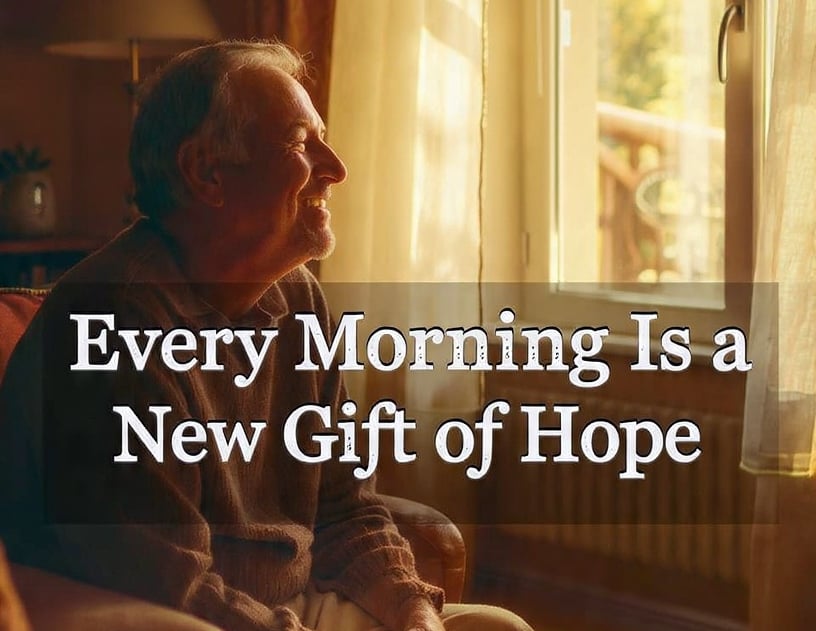
Feeling sunlight through a window
Hearing a familiar song
Receiving a phone call or message
Sitting quietly in prayer or reflection
Studies in positive psychology confirm that noticing and appreciating these moments can rewire the brain toward hope and resilience. Research summarized by Harvard Health Publishing (health.harvard.edu) supports the strong connection between gratitude, resilience, and emotional health. For seniors, this practice often becomes a lifeline during seasons of loss or limitation.
Gratitude as a Source of Daily Hope
Gratitude plays a central role in helping seniors recognize small blessings. Our internal guide Living With Purpose at Every Age further explains how gratitude sustains hope throughout all seasons of life. Rather than focusing on what has been lost, gratitude shifts attention to what remains.
Keeping a simple gratitude habit—such as naming three small blessings each day—has been shown to improve mood and emotional balance in older adults. Gratitude helps seniors acknowledge that life still offers reasons to smile, rest, and give thanks.
Even on difficult days, gratitude allows hope to survive in gentle ways.
Hope Found in Morning Rituals
Mornings often hold special meaning for seniors. The beginning of a new day represents renewal and opportunity. Simple routines like brewing coffee, reading a devotional, or watching the sunrise provide structure and reassurance.
These rituals create a sense of continuity and stability, which is especially important for emotional health in later life. Knowing that each morning brings familiar comforts can reduce anxiety and encourage a hopeful mindset.
Faith and Spiritual Blessings
For many seniors, faith deepens with age. Studies from the Pew Research Center (pewresearch.org) show that older adults often rely more on faith for comfort, meaning, and hope as they age. Spiritual practices such as prayer, Scripture reading, or quiet meditation become daily sources of strength and hope.
Faith helps seniors interpret small blessings as signs of care and presence. A peaceful moment, answered prayer, or sense of calm during hardship can renew trust and confidence.
Spiritual hope does not remove challenges, but it offers meaning within them. Seniors who engage in regular spiritual reflection often report greater peace and emotional resilience.
Hope Through Human Connection
A smile, a short conversation, or a shared memory can become a powerful blessing. Human connection remains one of the most important sources of hope for seniors. You may also read our internal post The Importance of Community and Faith‑Based Fellowship to understand how relationships strengthen hope.
Loneliness can threaten emotional well‑being, but even brief interactions can make a difference. Research shows that social engagement—no matter how small—supports mental health and cognitive function in older adults.
For seniors, knowing that someone remembers, listens, or cares is often enough to restore hope for the day.
Small Acts of Kindness Matter
Kindness does not need to be grand to be meaningful. A neighbor holding a door, a caregiver speaking gently, or a family member offering patience can deeply affect a senior’s outlook.
These small acts affirm dignity and worth. They remind seniors that they are still valued members of their families and communities. Hope grows when kindness is experienced regularly and sincerely.
Finding Hope in Nature
Nature offers countless small blessings that seniors can enjoy at any pace. Watching birds, tending a small plant, feeling fresh air, or listening to rain can bring calm and joy.
Studies in environmental psychology show that exposure to nature reduces stress and improves mood, particularly in older adults. The World Health Organization (who.int) also highlights nature and social connection as key contributors to mental well‑being. These moments connect seniors to life beyond their immediate concerns and awaken a sense of wonder and peace.
Hope Despite Limitations
Aging often brings physical or emotional limitations, but small blessings help seniors focus on what is still possible. Hope is not found in ignoring challenges, but in discovering joy alongside them.
When seniors learn to celebrate what they can do rather than mourn what they cannot, their emotional well‑being improves. Acceptance paired with gratitude allows hope to remain alive and active.
Legacy of Appreciating Life
Seniors who value small blessings often pass this mindset to younger generations. Through words and example, they teach patience, gratitude, and contentment.
This legacy is a quiet but powerful gift. It shows that a meaningful life is not measured by achievements alone, but by the ability to appreciate life as it is.
How Families Can Encourage Hope in Small Blessings
Families play an important role in helping seniors notice and enjoy small blessings. Practical guidance can also be found in our internal article How to Care for Aging Loved Ones With Compassion. Simple actions such as slowing down, listening attentively, and sharing daily moments together can nurture hope.
Encouraging seniors to talk about what they appreciate each day strengthens emotional bonds and reinforces a hopeful outlook.
Why Small Blessings Sustain Hope Every Day
Small blessings may not change circumstances, but they change perspective. They remind seniors that each day still holds value and meaning.
Hope rooted in small blessings is gentle yet strong. It supports emotional health, nurtures faith, and brings peace to daily life. For seniors, these moments often become the most reliable and enduring source of hope.
Conclusion: Hope Lives in the Ordinary
Seniors’ hope in small blessings teaches us an important truth: joy does not depend on big events. It grows quietly in everyday moments of gratitude, connection, faith, and peace.
By recognizing and cherishing small blessings, seniors discover that hope is always within reach—one gentle moment at a time.