
Positive Mindset vs Toxic Positivity.
Discover the difference between a positive mindset and toxic positivity. Learn how healthy optimism supports emotional well-being while toxic positivity can harm mental health and relationships. "Positive Mindset vs Toxic Positivity."
Written By Missionary Ps Javed Niamat
5/14/20263 min read

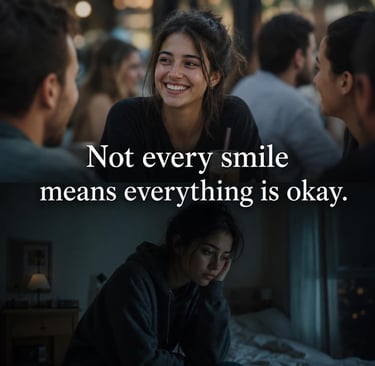
Positive Mindset vs Toxic Positivity.
Introduction
Positivity is often promoted as the key to happiness and success. Social media, motivational content, and self-help advice constantly encourage people to “stay positive” no matter what happens.
While maintaining a positive mindset can improve mental and emotional well-being, there is a major difference between healthy optimism and toxic positivity.
A positive mindset allows people to face challenges with hope and resilience. Toxic positivity, on the other hand, dismisses real emotions and pressures people to ignore pain, sadness, or struggle.
Understanding this difference is essential for emotional balance, mental health, and authentic relationships.
What Is a Positive Mindset?
A positive mindset is the ability to approach life with hope, gratitude, and resilience while still acknowledging reality.
It does not mean pretending everything is perfect. Instead, it means choosing to focus on growth, solutions, and possibilities even during difficult times.
Characteristics of a Positive Mindset:
Accepts emotions honestly
Looks for solutions instead of staying stuck
Practices gratitude
Encourages growth and resilience
Maintains hope during challenges
A healthy positive mindset helps people move forward without denying their feelings.
What Is Toxic Positivity?
Toxic positivity is the belief that people should remain positive at all times, no matter how painful or difficult the situation may be.
It often ignores or suppresses genuine emotions like grief, sadness, anger, disappointment, or fear.
Examples of Toxic Positivity:
“Just stay positive.”
“Everything happens for a reason.”
“Others have it worse.”
“Don’t think negatively.”
“Good vibes only.”
While these statements may sound encouraging, they can sometimes invalidate real emotions.
Why Toxic Positivity Can Be Harmful
Ignoring emotions does not make them disappear. Suppressed feelings can build up over time and negatively affect mental health.
Harmful Effects of Toxic Positivity:
Emotional suppression
Increased stress and anxiety
Feelings of guilt for struggling
Difficulty processing grief or pain
Weakened relationships
People need space to process emotions honestly without fear of judgment.
The Benefits of a Healthy Positive Mindset
Unlike toxic positivity, healthy positivity acknowledges hardship while still choosing hope.
Benefits Include:
Better emotional resilience
Improved mental health
Stronger relationships
Greater self-awareness
Increased motivation and confidence
Healthy positivity creates balance instead of pressure.
Positive Mindset vs Toxic Positivity: Key Differences
Positive MindsetToxic PositivityAccepts emotions honestlyDenies negative emotionsEncourages healthy copingForces constant happinessFocuses on growthAvoids difficult feelingsBuilds emotional strengthCreates emotional pressureSupports authenticityPromotes emotional suppression
Understanding these differences helps create healthier emotional habits.
Signs You May Be Experiencing Toxic Positivity
1. You Feel Guilty for Being Sad
You believe negative emotions are “bad” or unacceptable.
2. You Avoid Difficult Conversations
You constantly redirect pain with forced optimism.
3. You Hide Your Real Feelings
You pretend everything is fine even when struggling.
4. You Judge Yourself Harshly
You criticize yourself for not being “positive enough.”
5. You Dismiss Others’ Pain
You respond to struggles with clichés instead of empathy.
How to Build a Healthy Positive Mindset
1. Accept Your Emotions
It is okay to feel sadness, frustration, or disappointment.
2. Practice Self-Compassion
Treat yourself with kindness during difficult times.
3. Focus on Solutions
Acknowledge the problem while looking for healthy ways forward.
4. Practice Gratitude
Appreciating small blessings can improve perspective.
5. Surround Yourself with Supportive People
Healthy relationships encourage honesty and emotional safety.
The Importance of Emotional Honesty
Emotional honesty allows healing and personal growth.
When people feel safe expressing emotions, they become more resilient and emotionally healthy.
Suppressing emotions may offer temporary comfort, but long-term healing requires honesty.
Balancing Optimism with Reality
True positivity does not ignore hardship—it faces it with hope.
Healthy optimism says:
“This is difficult, but I can get through it.”
“I feel pain, but healing is possible.”
“Things are hard right now, but better days can come.”
This balanced perspective creates emotional strength.
Applying These Lessons in Daily Life
At Work
Encourage honest communication instead of forced positivity.
In Relationships
Listen with empathy rather than dismissing emotions.
In Parenting
Teach children that all emotions are valid.
In Personal Growth
Allow yourself to feel, heal, and grow naturally.
Conclusion
A positive mindset can improve emotional health, confidence, and resilience. However, toxic positivity can create emotional suppression and unrealistic pressure.
The goal is not to avoid negative emotions but to process them in healthy ways while maintaining hope.
True emotional strength comes from honesty, balance, and self-compassion.
Final Encouragement
You do not need to pretend to be happy all the time.
It is okay to feel pain, struggle, and disappointment. Healthy positivity means believing that even in difficult moments, healing and hope are still possible.
Be honest with your emotions, stay compassionate with yourself, and keep moving forward with balance and grace.
Would you like an image script or social media reel version of this topic? I can create that for you as well.