
Nutrition for Longevity: Foods That Help You Live Longer
Discover the best nutrition habits for longevity and healthy aging. Learn which foods support long life, boost energy, and protect your body for a vibrant future.
Written by Pastor Javed Niamat Missionary Pastor & Founder of Hope in Everyday Dedicated to sharing faith-based encouragement, hope, and practical wisdom for daily life
9/1/20253 min read
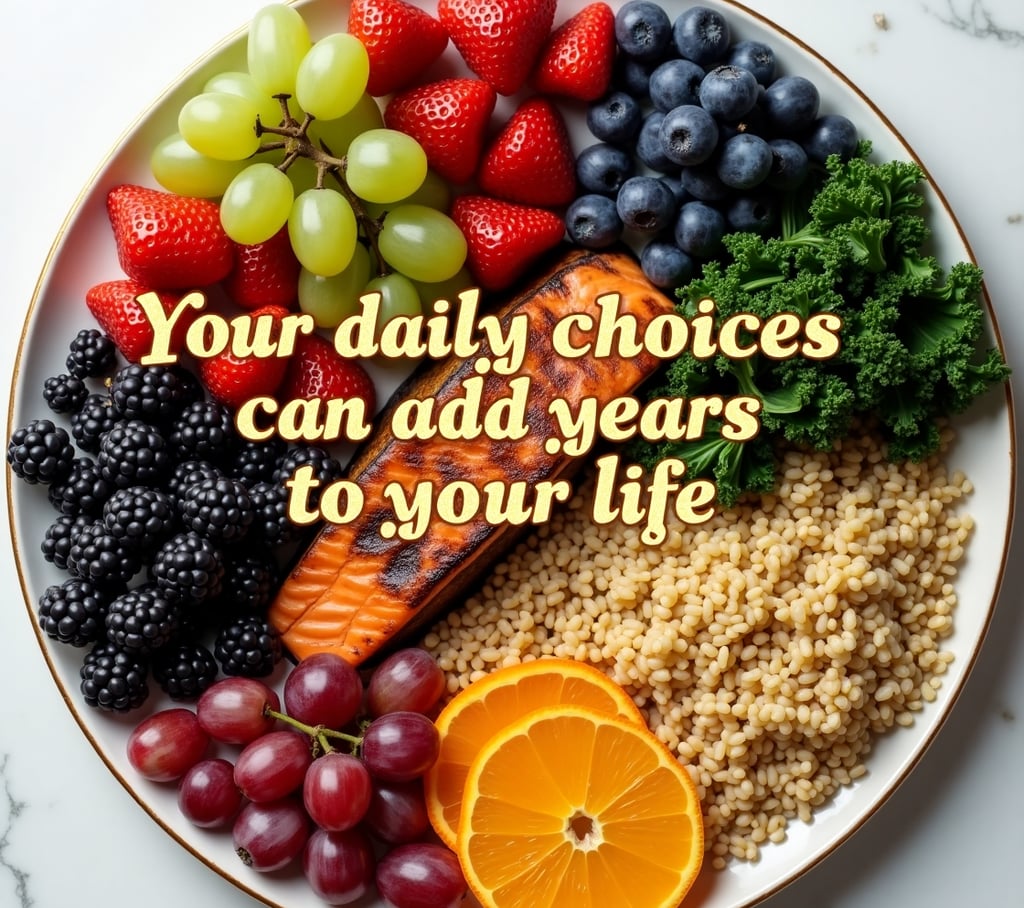
Nutrition for Longevity: Foods That Help You Live Longer
Introduction: Eating Today for a Healthier Tomorrow
Every meal you eat is an investment in your future. While genetics play a role in how long we live, research consistently shows that daily lifestyle choices—especially nutrition—have a powerful influence on longevity and quality of life. The foods we consume fuel our bodies, shape our immune systems, affect our energy levels, and even determine how gracefully we age.
Nutrition for longevity is not about strict dieting or complicated meal plans. It is about choosing nourishing, balanced foods that support long-term health while still allowing enjoyment and variety. Across the world, populations known for long life spans share common dietary habits that emphasize natural, plant-rich foods and balanced eating patterns. By understanding these principles, anyone can begin building a lifestyle that supports strength, vitality, and healthy aging.
Why Nutrition Plays a Key Role in Longevity
The body constantly repairs itself, builds new cells, and fights harmful inflammation. Nutrient-rich foods provide the vitamins, minerals, antioxidants, and healthy fats necessary for these processes. Poor nutrition, on the other hand, can accelerate aging, weaken immunity, and increase the risk of chronic diseases such as heart disease, diabetes, and certain cancers.
Healthy eating habits can:
Improve heart and brain health
Strengthen the immune system
Maintain healthy body weight
Reduce the risk of chronic illness
Support long-term physical and mental energy
Simply put, food is one of the most powerful tools available for extending both lifespan and healthspan—the number of years lived in good health.
Key Nutrients That Support Long Life
1. Antioxidants
Antioxidants help protect cells from damage caused by free radicals, which contribute to aging and disease. Foods rich in antioxidants include berries, leafy greens, nuts, and colorful vegetables.
2. Healthy Fats
Omega-3 fatty acids support heart health and reduce inflammation. They are found in foods such as salmon, walnuts, chia seeds, and flaxseeds.
3. Fiber
Fiber supports digestive health, stabilizes blood sugar levels, and helps lower cholesterol. Whole grains, beans, lentils, fruits, and vegetables are excellent sources.
4. Plant-Based Proteins
Beans, lentils, nuts, and seeds provide protein along with essential nutrients without excessive saturated fat, making them valuable for healthy aging.
Foods That Help You Live Longer
Fruits and Vegetables
Colorful fruits and vegetables contain vitamins, minerals, and phytonutrients that help prevent chronic diseases. Aim to fill half your plate with plant-based foods at each meal.
Whole Grains
Whole grains such as brown rice, oats, quinoa, and whole wheat provide sustained energy and essential nutrients that support heart and digestive health.
Nuts and Seeds
Almonds, walnuts, sunflower seeds, and pumpkin seeds supply healthy fats, protein, and minerals that protect cardiovascular health.
Legumes
Beans, lentils, and chickpeas are affordable, nutrient-dense foods rich in protein and fiber, often associated with longer life expectancy in many global populations.
Healthy Oils
Olive oil, commonly used in Mediterranean diets, contains beneficial fats that support heart health and reduce inflammation.
Lifestyle Habits That Complement Healthy Nutrition
Healthy eating works best when combined with supportive lifestyle habits. These include:
Regular physical activity such as walking or stretching
Adequate hydration throughout the day
Quality sleep for cellular repair and recovery
Stress management through mindfulness, prayer, or relaxation practices
Together, these habits create a powerful foundation for long-term wellness.
Global Lessons From the Blue Zones
The longest-living populations in the world are found in regions known as "Blue Zones," including Okinawa (Japan), Sardinia (Italy), Ikaria (Greece), and Nicoya (Costa Rica). Researchers studying these communities discovered several shared habits that contribute to their longevity:
Diets rich in vegetables, whole grains, beans, and fruits
Limited intake of processed foods and refined sugars
Regular natural movement such as walking and gardening
Strong social relationships and supportive communities
A sense of purpose and daily meaning
These findings show that longevity is not the result of a single factor but a combination of healthy eating, active living, and strong emotional well-being.
Small Dietary Changes That Produce Big Results
Many people believe healthy eating requires drastic changes, but small consistent improvements often create the greatest long-term benefits. Consider starting with simple steps:
Replace sugary drinks with water or herbal tea
Choose whole-grain bread instead of refined white bread
Add an extra serving of vegetables to meals
Snack on fruit, nuts, or yogurt instead of processed snacks
Cook more meals at home using fresh ingredients
Over time, these small adjustments build sustainable habits that significantly improve health outcomes.
External Resources for Nutrition Guidance
For evidence-based nutrition and longevity information, visit:
https://www.hsph.harvard.edu/nutritionsource/ (Harvard Nutrition Source)
https://www.who.int (World Health Organization nutrition resources)
Suggested Internal Links
Gentle Exercises for Energy and Mobility After 60
The Power of Walking: Steps Toward a Brighter Future
Healthy Habits for Active Aging
Conclusion: Your Plate Shapes Your Future
Nutrition for longevity is not about perfection—it is about making thoughtful daily choices that nourish your body and support lifelong vitality. By choosing whole, natural foods, staying active, and maintaining positive lifestyle habits, you can significantly improve both the length and quality of your life.
Longevity is not only about living longer; it is about living better—having the strength, energy, and health to enjoy every stage of life. What you choose to eat today becomes the foundation for tomorrow’s well-being. With mindful nutrition, small consistent steps, and a commitment to balance, your future can be healthier, stronger, and brighter.