
Nutrition After 60.
Discover the best foods and nutrition habits for seniors after 60. Learn how lean proteins, veggies, healthy fats, hydration and mindful eating support energy and longevity"Nutrition After 60."
Javed Niamat
10/27/20255 min read
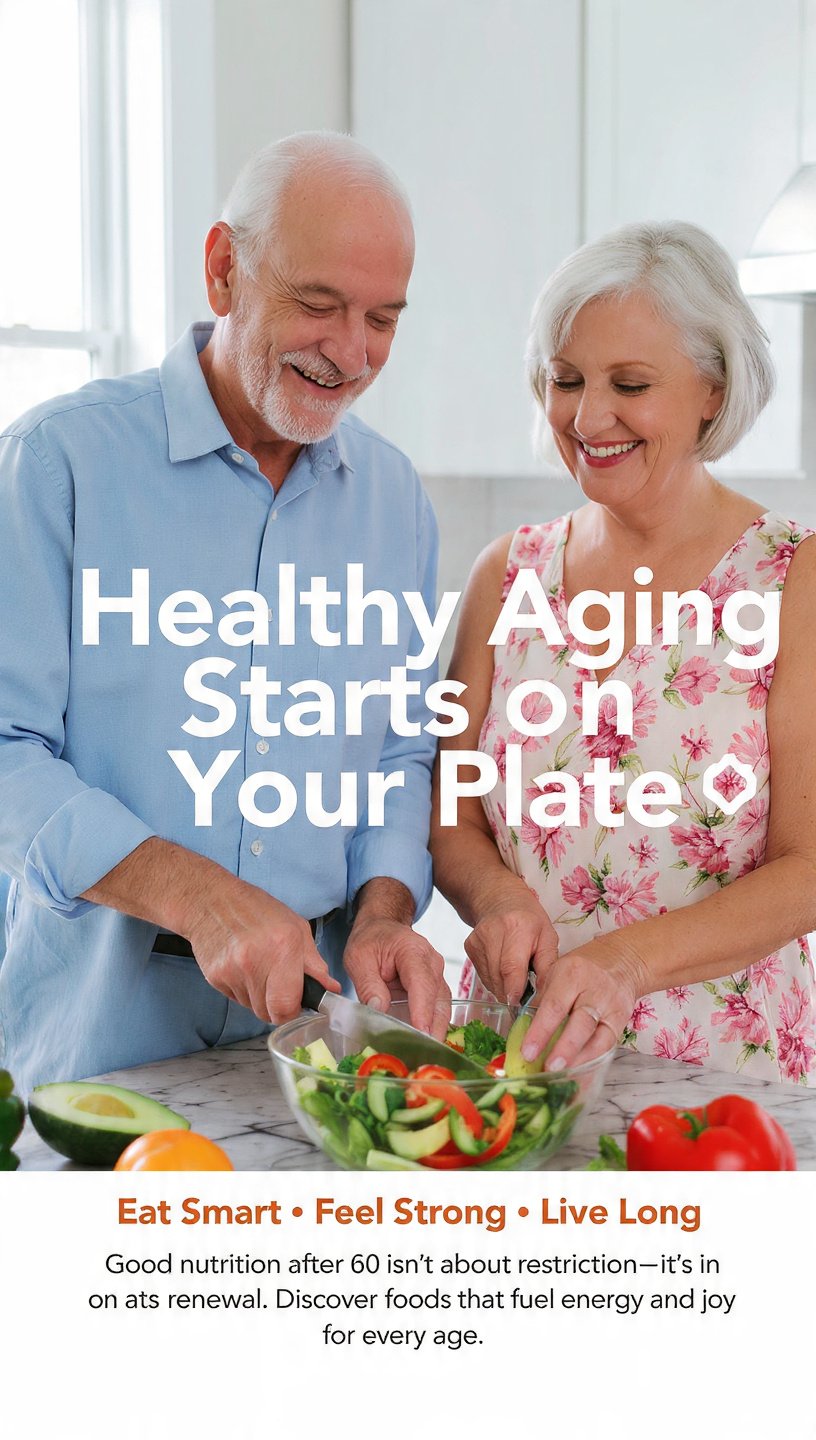

Nutrition After 60: Foods That Boost Energy and Longevity
Turning 60 is more than a milestone—it’s a new chapter. With it comes wisdom, memories, and an opportunity to live with renewed purpose. And yes, it also brings changes to your body—your metabolism slows, muscle mass declines, nutrient absorption shifts. But here’s the good news: with smart nutrition, you can keep your energy high, your mind sharp, and your years rich with life.
In this article, we’ll explore how nutrition needs shift after age 60, the key foods that support energy and longevity, and practical ways you can adjust your eating habits. Whether you’re newly 60 or well past, it’s never too late to make each calorie count.
Why Nutrition Matters More After 60
As we age, multiple physiological changes make nutrition even more critical. Calorie needs tend to drop because of reduced physical activity and loss of lean muscle mass, yet the need for key nutrients often increases. (Healthline)
For example:
Muscle mass declines (a process called sarcopenia), reducing mobility and strength. Good protein helps mitigate this. (National Council on Aging)
Bone density decreases, raising the risk of fractures and osteoporosis—so nutrients like calcium and vitamin D become essential. (SeniorSite)
Absorption of certain vitamins (e.g., B12) declines with age, making food choices more important. (www.heart.org)
Hydration becomes trickier because thirst perception drops. Dehydration can sap energy, affect cognition, and impact mood. (Healthline)
Metabolism slows, meaning you need fewer calories but the same or more nutrients per calorie. (myplate.gov)
These changes mean that the food you eat after 60 needs to work harder for you—not just fill you up, but fuel you, protect you, and sustain you.
Key Nutrients for Energy and Longevity
Here are some of the most important nutritional priorities for seniors:
Protein: Older adults often don’t get enough. Protein helps maintain muscle, supports immune function, and aids recovery from illness. (National Council on Aging)
Calcium & Vitamin D: Vital for bone and muscle health. Many seniors lack adequate vitamin D due to less sun exposure. (SeniorSite)
Fiber: Supports digestion, heart health, and steady energy levels. Many older adults are below recommended fiber intake. (SeniorSite)
Healthy Fats (including Omega-3s): Support brain, heart, and joint health. For example, research links omega-3s with healthier aging. (TIME)
Micronutrients (B12, magnesium, potassium, etc.): Even with fewer calories, your body still needs vitamins and minerals. (National Council on Aging)
Hydration: Not simply a “nice to have”—adequate fluids are crucial for nutrient absorption, digestion, and energy. (Delaware Academy of Medicine)
Best Foods After 60: What to Embrace
Here’s a solid list of food choices that support energy, vitality, and long life. As you read, consider how you might add or increase them in your daily life.
1. Lean Proteins
Seafood (salmon, tuna, sardines) — offers protein + omega-3s
Poultry, eggs, lean meat (in moderation)
Plant-based proteins — legumes, beans, lentils, tofu
Including a good protein source at each meal is a smart strategy. (Ask IFAS - Powered by EDIS)
2. Colorful Vegetables & Dark Leafy Greens
Spinach, kale, collards, broccoli
Bell peppers, sweet potatoes, carrots
These offer vitamins A, C, K, folate, fiber—all supporting brain, bone, and immune health. The federal MyPlate guidance highlights them for 60+ adults. (myplate.gov)
3. Fruits & Berries
Berries (blueberries, strawberries) for antioxidants
Oranges, melons, grapes
They offer natural sweetness, fiber, and vital nutrients without added sugar.
4. Whole Grains & Legumes
Oats, quinoa, brown rice, barley
Beans, chickpeas, lentils
These deliver complex carbs for steady energy, plus fiber and plant-protein. Legumes in particular are highlighted for seniors. (EatingWell)
5. Healthy Fats & Nuts
Olive oil, avocados
Walnuts, pistachios, almonds
Nut intake and olive oil are associated in longevity research (see “Blue Zones” research) with longer, healthier lives. (The Sun)
6. Dairy or Fortified Alternatives
Low-fat yogurt, milk, fortified plant-based milks
These help with calcium, vitamin D, and often B12—especially helpful if you avoid animal products. (www.heart.org)
7. Hydrating Foods & Fluids
Soups, stews, smoothies
Water, herbal teas, 100% fruit juice (in moderation)
Older adults often don’t feel thirst—so build hydration into your meals. (National Council on Aging)
Foods and Habits to Limit or Avoid
Good nutrition isn’t just about what to eat—it’s also what to limit.
Added sugar, sweets, sugary drinks — empty calories that can zap energy and add unwanted weight. (Help Advisor)
Excess sodium (salt) — older adults are more risk-sensitive to high blood pressure, heart disease, kidney issues. (Help Advisor)
Highly processed foods — lower in nutrient density, higher in added fat/salt/sugar. Your calories count more now: pick quality over quantity. (www.heart.org)
Large portions of red/processed meats— focusing more on lean, plant-based, fish and moderate meat tends to align with longevity patterns.
Practical Meal & Lifestyle Tips for Seniors
1. Make every calorie count. Because you may need fewer calories but more nutrients, each bite should pack a punch. (www.heart.org)
2. Eat regularly & include protein. Aim for small, frequent meals or snacks if appetite is low. Include a quality protein at each meal.
3. Stay hydrated. Keep a water bottle nearby. Start meals with a salad or vegetables to kick off nutrients and fluids.
4. Colour your plate. Use vegetables and fruits of different colours. They bring variety, nutrients, and appeal—helping appetite too.
5. Incorporate healthy snacks. Think Greek yogurt + berries, nuts + fruit, hummus + veggie sticks.
6. Cook with heart-healthy oils and herbs instead of heavy butter/salt/sauce. Use olive oil, fresh herbs, garlic, lemon.
7. Plan for mobility & independence. Nutrition supports your body’s ability to move, recover, and stay active. Pair good food with movement for best results.
8. Connect food with purpose. Meals can become times of joy, fellowship, memory, not just fuel. If faith matters to you, a prayer of thanks or sharing a meal with others adds meaning.
9. Use your journey to inspire others. Adjusting nutrition after 60 isn’t about deprivation—it’s about investing in life. Share what you learn with family and friends.
How Nutrition Supports Longevity
Good nutrition isn’t only about feeling better now—it’s about giving yourself more tomorrow. Studies link higher intake of nutrient-rich foods (especially fish, nuts, legumes, vegetables) with healthier aging and reduced risk of chronic disease. For example, higher omega-3 levels were associated with a lower risk of “unhealthy aging” including chronic disease and cognitive decline. (TIME)
Other observational research based on the “Blue Zones” (regions with many centenarians) emphasizes beans, olive oil, whole grains, and lots of plants as key components of longevity. (Verywell Health)
Thus, while genetics and luck play a role, diet is one of the biggest controllable factors for staying fitter, longer.
Personalizing for Your Needs and Health Conditions
Every senior is unique. Chronic conditions like diabetes, heart disease, kidney issues, or mobility limitations can affect how you eat. Talk with a registered dietitian (RD) or your doctor about tailoring your diet. For example:
If you have reduced appetite, focus on more nutrient-dense foods and smaller, more frequent meals.
If you have chewing or digestion issues, try softer food textures: steamed veggies, legumes, smoothies.
If you take multiple medications, nutrient absorption might be impaired (e.g., B12 absorption goes down). (www.heart.org)
Your nutrition journey at 60+ isn’t about rigidity—it’s about smart adaptation.
Integrating Faith and Gratitude into Your Plate
If your faith is a foundation for your life, consider how nutrition becomes part of caring for the body God has given you (see e.g., 1 Corinthians 6:19-20). Eating with intention—choosing nourishment, gratitude, community—brings spiritual depth to the physical act of eating.
Share meals with others when you can, bless your food, give thanks for the ability to choose better foods, and let your habits become expressions of stewardship and love.
Conclusion
Nutrition after 60 is neither complicated nor grim—it’s an invitation. An invitation to feed your body with kindness, to choose foods that support your independence, spark your energy, protect your mind, and lengthen your days with joy.
Start small: add one extra serving of vegetables each day, swap out processed snacks for nuts and fruit, include a lean protein at breakfast, drink a full glass of water before every meal. Over time, these small changes become habits that fuel your golden years.
You’re not just adding years to your life—you’re adding life to your years. And every good bite you take is a step toward a stronger, happier, more vibrant you.
Internal link suggestion: Link to other blog posts you have (e.g., “Gentle Exercises for Seniors” or “Technology Made Easy for Seniors”).
External links used above — see citations.