
Moses Is Gone, but God Is Not Finished (Joshua 1:2)
Moses is gone, but God is not finished. Discover hope, leadership transition, and faith from Joshua 1:2 in this deep, practical, and encouraging Christian blog Moses Is Gone, but God Is Not Finished (Joshua 1:2)"
Written by Pastor Javed Niamat Missionary Pastor & Founder of Hope in Everyday Dedicated to sharing faith-based encouragement, hope, and practical wisdom for daily life.
1/16/20265 min read
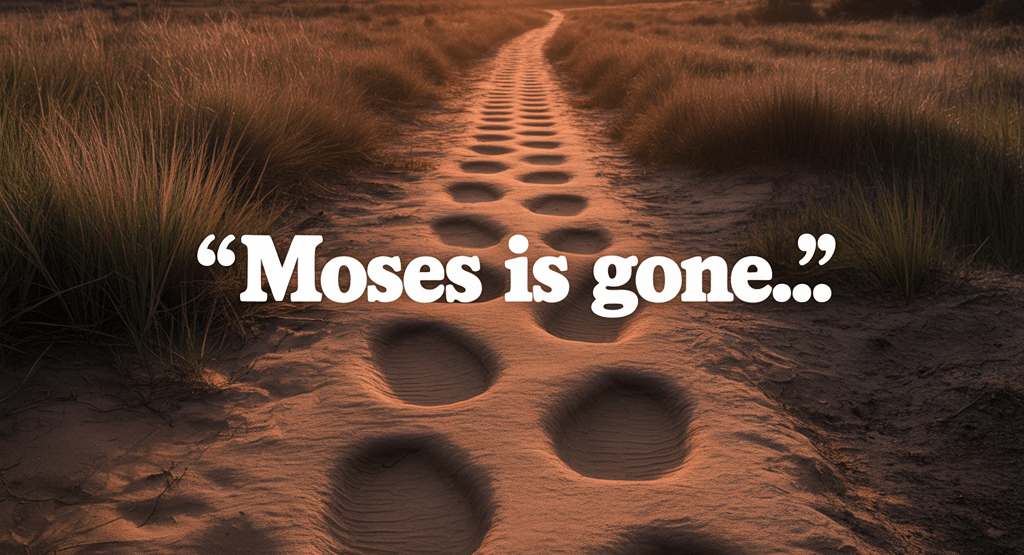

Moses Is Gone, but God Is Not Finished (Joshua 1:2)
Introduction: When a Chapter Closes
There are moments in life when it feels as though everything familiar has come to an end. A trusted leader steps aside. A mentor passes away. A season closes without warning. In those moments, fear often whispers that the future is uncertain and progress is impossible. The people of Israel stood at exactly such a crossroads when God spoke the words recorded in Joshua 1:2:
“Moses my servant is dead. Now then, you and all these people, get ready to cross the Jordan River into the land I am about to give to them—to the Israelites.”
These words are short, direct, and deeply powerful. God does not deny the pain of loss. He does not minimize the impact of Moses’ death. Instead, He acknowledges reality—Moses is dead—and then immediately calls His people forward. This verse reveals a timeless truth for every generation: when God closes one chapter, He is already writing the next.
Joshua 1:2 is not merely a historical transition. It is a living message for anyone facing change, loss, or uncertainty. It reminds us that while leaders may come and go, God’s purpose never stops moving forward.
Understanding the Weight of Moses’ Absence
Moses was not just a leader; he was the foundation of Israel’s national identity. Through Moses, God delivered His people from slavery in Egypt. Through Moses, the Red Sea parted, manna fell from heaven, water flowed from rocks, and the Law was given at Mount Sinai. For forty years, Moses was the visible instrument of God’s guidance.
When Moses died, Israel did not simply lose a man—they lost a symbol of stability, authority, and divine direction. Many of the people had never known life without Moses’ leadership. Humanly speaking, the future looked fragile.
Yet God’s statement is strikingly calm and confident. He does not say, “My plan has been delayed,” or “Everything must pause.” Instead, He declares a transition: Now then… get ready to cross. God’s work was never dependent on Moses alone. Moses was faithful, but the mission belonged to God.
This truth challenges a common human tendency—to attach God’s work entirely to specific individuals. Scripture repeatedly reminds us that God uses people, but He is never limited by them.
“Now Then”: A Divine Call to Move Forward
Two small words in Joshua 1:2 carry enormous significance: “Now then.” They mark a turning point between mourning and movement.
God allows a season for grief, but He does not allow grief to become paralysis. Israel had already mourned Moses for thirty days. Now it was time to rise. God’s command makes it clear that forward movement is an act of obedience.
“Now then” teaches us several important lessons:
God’s timing is purposeful; He knows when it is time to wait and when it is time to move.
Faith often requires action even when emotions are still tender.
Obedience is not the absence of fear, but the decision to trust God despite fear.
For believers today, this is a powerful reminder. There are seasons when God says, wait, and there are seasons when He says, move. Discerning the difference is part of spiritual maturity.
Crossing the Jordan: Faith Beyond Familiar Ground
The Jordan River represented more than a physical obstacle. It symbolized the boundary between promise and fulfillment. Moses had led Israel to the edge of the land, but Joshua would lead them into it.
Crossing the Jordan required faith. The river was at flood stage, and the people had no visible means to cross. Yet God’s instruction was clear: step forward, and He would make a way.
This pattern appears throughout Scripture. God often asks His people to move before they see the miracle. Faith is rarely comfortable, but it is always rewarded when it rests in God’s promises.
For many today, the “Jordan” may look different:
A new ministry after a respected leader steps down
A new chapter of life after loss or disappointment
A calling that feels bigger than personal ability
Joshua 1:2 assures us that the presence of obstacles does not mean the absence of God. In fact, obstacles often confirm that we are standing on the edge of something significant.
Leadership Transition and God’s Unchanging Mission
One of the most encouraging truths in this passage is that God’s mission continues seamlessly through leadership change. Joshua was not Moses, and he was never meant to be. God did not ask Joshua to imitate Moses; He asked him to obey.
God equips leaders differently for different seasons. Moses was a deliverer. Joshua was a conqueror. Both were necessary. Both were chosen.
This has profound implications for churches, ministries, and mission fields:
God’s work does not collapse when leadership changes.
New leaders may bring new methods, but the same divine purpose.
Faithfulness, not fame, is what God honors.
For believers involved in ministry, Joshua 1:2 encourages humility and confidence—humility because no one is irreplaceable, and confidence because God remains fully in control.
God’s Promises Are Not Tied to One Person
Perhaps the most hopeful message in Joshua 1:2 is this: God’s promises outlive human limitations.
The land promise was given long before Moses and would continue long after Joshua. God’s covenant was never fragile. It was anchored in His character.
Scripture consistently reinforces this truth. God remains faithful across generations. His purposes are not interrupted by death, failure, or change.
This is especially important for believers who have been deeply influenced by spiritual mentors. While gratitude for leaders is right, ultimate trust must always rest in God alone.
When we place our faith entirely in people, disappointment is inevitable. When we place our faith in God, hope remains secure.
Practical Life Application for Today
Joshua 1:2 speaks powerfully into modern life. Here are a few ways this verse applies today:
1. When You Face Loss
Loss does not cancel God’s calling. Grief may shape you, but it does not disqualify you from the future God has planned.
2. When a Season Ends
Closed doors are often divine redirection, not rejection. God knows what lies ahead.
3. When You Feel Unqualified
Joshua likely felt inadequate compared to Moses. God’s response was not criticism, but commissioning. God qualifies those He calls.
4. When You Fear the Unknown
God never promised Joshua an easy path—only His presence. The same promise stands today.
A Message of Hope for the Church and the Mission Field
In mission work and ministry, Joshua 1:2 offers lasting encouragement. Projects may change, resources may fluctuate, and leaders may rotate, but God’s heart for people remains constant.
The work of compassion, education, church planting, and community transformation does not depend on one individual. It depends on obedience to God’s ongoing call.
For churches and mission partners, this verse invites renewed faith: God is still giving land, still opening doors, and still calling His people to move forward.
Conclusion: God Is Still Writing the Story
“Moses is dead” sounds final—but God’s next words change everything: Now then… get ready.
Joshua 1:2 reminds us that endings are not evidence of defeat. They are often the doorway to fulfillment. God’s plans are larger than our losses, stronger than our fears, and more enduring than any single leader.
If you are standing at the edge of change today, hear God’s voice through this ancient yet living word. The past may be behind you, but God is not finished. The promise still stands. The call still echoes.
Now then—get ready to cross.