
Mental Wellness Routines: Daily Habits for a Healthier, Happier Mind.
Discover the best mental wellness routines to improve emotional health, reduce stress, boost happiness, and strengthen resilience. Learn practical daily habits that support mental well-being, mindfulness. "Mental Wellness Routines: Daily Habits for a Healthier, Happier Mind."
Written By Missionary Ps Javed Niamat
6/1/20265 min read
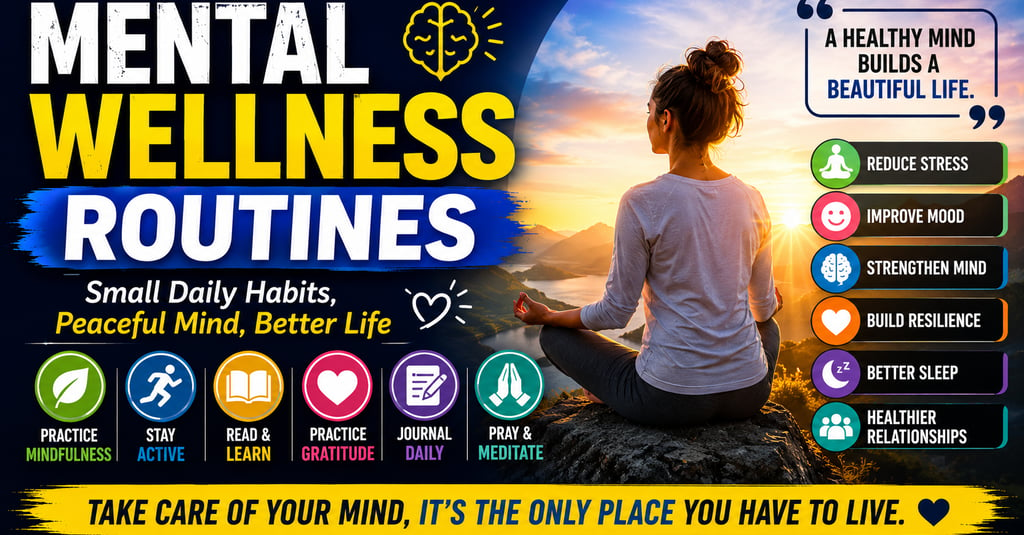
Mental Wellness Routines: Daily Habits for a Healthier, Happier Mind.
In today's busy world, taking care of your mental health is just as important as taking care of your physical health. Life's responsibilities, work pressures, financial concerns, family commitments, and constant digital distractions can leave people feeling overwhelmed and emotionally exhausted. This is why developing mental wellness routines is essential for maintaining a healthy, balanced, and fulfilling life.
Mental wellness is not simply the absence of mental illness. It is the ability to cope with life's challenges, maintain positive relationships, manage stress effectively, and enjoy life with a sense of purpose and peace. Just as healthy eating and exercise strengthen the body, daily mental wellness habits strengthen the mind and emotions.
The good news is that you don't need expensive programs or complicated techniques to improve your mental well-being. Small, intentional actions practiced consistently can create remarkable changes over time.
This guide explores powerful mental wellness routines that can help you reduce stress, increase happiness, improve emotional resilience, and cultivate a healthier mindset.
Understanding Mental Wellness
Mental wellness refers to your emotional, psychological, and social well-being. It influences how you think, feel, act, and interact with others.
A person with strong mental wellness is generally able to:
Handle stress effectively
Maintain emotional balance
Build healthy relationships
Adapt to challenges
Make thoughtful decisions
Stay productive and focused
Experience meaning and purpose
Mental wellness is a continuous journey rather than a destination. It requires regular attention and healthy habits.
Why Mental Wellness Routines Matter
Many people wait until they feel overwhelmed before paying attention to their mental health. However, prevention is far more effective than recovery.
Consistent mental wellness routines provide numerous benefits:
Reduced Stress
Healthy routines help calm the mind and reduce anxiety.
Improved Emotional Resilience
You become better equipped to handle life's difficulties.
Better Focus and Productivity
A healthy mind improves concentration and decision-making.
Increased Happiness
Positive habits contribute to greater satisfaction and joy.
Stronger Relationships
Emotional well-being improves communication and empathy.
Better Physical Health
Mental and physical health are deeply connected.
Small daily habits can significantly improve overall quality of life.
1. Begin Your Day with Intention
The way you start your morning often influences the rest of your day.
Many people begin by immediately checking emails, social media, or news updates. This can create stress before the day even begins.
Instead, establish a morning routine that promotes calmness and clarity.
Consider:
Prayer or meditation
Deep breathing exercises
Reading something inspirational
Writing in a gratitude journal
Stretching or light exercise
Starting your day intentionally creates a positive foundation for everything that follows.
2. Practice Gratitude Every Day
Gratitude is one of the simplest yet most powerful mental wellness habits.
When you focus on what is going well rather than what is lacking, your mindset begins to shift toward positivity.
Research has consistently shown that gratitude can:
Increase happiness
Reduce stress
Improve relationships
Strengthen emotional resilience
Try writing down three things you are grateful for each day.
These can be simple blessings such as:
Good health
Supportive friends
A beautiful sunrise
A successful workday
Over time, gratitude trains your mind to recognize positivity more naturally.
3. Prioritize Regular Physical Activity
Exercise is one of the most effective ways to improve mental wellness.
Physical activity releases endorphins, often called the body's natural mood boosters.
Benefits include:
Reduced anxiety
Improved mood
Increased energy
Better sleep
Enhanced self-confidence
You don't need intense workouts to experience these benefits.
Simple activities such as:
Walking
Cycling
Swimming
Yoga
Stretching
can significantly improve emotional well-being.
Aim for at least 30 minutes of movement most days of the week.
4. Develop Healthy Sleep Habits
Sleep plays a critical role in mental health.
When you are sleep-deprived, it becomes more difficult to manage emotions, concentrate, and handle stress effectively.
Healthy sleep habits include:
Going to bed at the same time each night
Creating a relaxing bedtime routine
Avoiding screens before sleep
Limiting caffeine in the evening
Keeping your bedroom quiet and comfortable
Most adults need seven to nine hours of quality sleep each night.
Good sleep supports emotional balance, cognitive function, and overall well-being.
5. Limit Digital Overload
Technology offers many benefits, but constant digital consumption can negatively affect mental health.
Excessive screen time may contribute to:
Stress
Anxiety
Poor sleep
Reduced attention span
Negative self-comparison
Healthy digital habits include:
Taking regular screen breaks
Limiting social media use
Turning off unnecessary notifications
Scheduling digital detox periods
Creating boundaries around technology helps protect your mental well-being.
6. Practice Mindfulness
Mindfulness involves focusing on the present moment without judgment.
Many people spend much of their time worrying about the future or dwelling on the past.
Mindfulness helps bring attention back to the present.
Simple mindfulness practices include:
Deep breathing
Meditation
Mindful walking
Observing nature
Paying attention during daily activities
Benefits include:
Reduced stress
Improved focus
Greater emotional awareness
Enhanced inner peace
Even five minutes of mindfulness each day can make a significant difference.
7. Build Strong Relationships
Humans are designed for connection.
Healthy relationships provide emotional support, encouragement, and a sense of belonging.
Ways to strengthen relationships include:
Spending quality time together
Listening actively
Expressing appreciation
Offering support
Practicing forgiveness
Strong social connections contribute significantly to mental wellness and happiness.
8. Learn Effective Stress Management
Stress is unavoidable, but it can be managed effectively.
Healthy stress-management strategies include:
Deep Breathing
Slow, controlled breathing calms the nervous system.
Journaling
Writing down thoughts and feelings provides clarity.
Physical Activity
Exercise helps release tension and improve mood.
Prayer and Meditation
Spiritual practices can provide peace and perspective.
Time Management
Planning ahead reduces unnecessary pressure.
The goal is not to eliminate stress completely but to develop healthy ways of responding to it.
9. Practice Self-Compassion
Many people are their own harshest critics.
Self-compassion means treating yourself with kindness, patience, and understanding.
Remember:
Everyone makes mistakes.
Growth takes time.
Failure is part of learning.
Perfection is impossible.
When challenges arise, speak to yourself as you would a trusted friend.
Self-compassion builds resilience and emotional strength.
10. Set Healthy Boundaries
Mental wellness requires protecting your energy and emotional health.
Healthy boundaries help prevent burnout and resentment.
Examples include:
Saying no when necessary
Limiting toxic relationships
Protecting personal time
Maintaining work-life balance
Boundaries are not selfish; they are essential for long-term well-being.
11. Engage in Activities You Enjoy
Enjoyable activities help restore energy and reduce stress.
Hobbies provide opportunities for relaxation, creativity, and personal fulfillment.
Examples include:
Reading
Gardening
Painting
Cooking
Photography
Music
Outdoor adventures
Making time for enjoyable activities is an important form of self-care.
12. Continue Learning and Growing
Personal growth contributes significantly to mental wellness.
Learning new skills:
Builds confidence
Stimulates the mind
Creates a sense of accomplishment
Opens new opportunities
Consider:
Reading books
Taking courses
Listening to educational podcasts
Learning a new hobby
A growth-oriented mindset promotes optimism and resilience.
13. Strengthen Your Spiritual Life
For many people, spiritual wellness provides peace, hope, and purpose.
Spiritual practices may include:
Prayer
Bible study
Worship
Meditation
Serving others
Faith can provide comfort during difficult times and help individuals find meaning in life's challenges.
As it says in the book of Philippians:
"Do not be anxious about anything, but in every situation, by prayer and petition, with thanksgiving, present your requests."
Spiritual routines often contribute to emotional stability and inner peace.
Common Habits That Harm Mental Wellness
Avoid these behaviors that can negatively impact emotional health:
Chronic stress
Negative self-talk
Poor sleep habits
Isolation
Excessive social media use
Constant busyness
Ignoring emotional needs
Recognizing unhealthy patterns is the first step toward positive change.
How to Build a Sustainable Mental Wellness Routine
To create lasting habits:
Start Small
Choose one or two habits to focus on initially.
Stay Consistent
Consistency matters more than perfection.
Track Progress
Use a journal or habit tracker.
Be Flexible
Adapt routines as life changes.
Celebrate Successes
Acknowledge growth and progress.
Small improvements practiced daily create powerful long-term results.
Conclusion
Mental wellness is one of the greatest investments you can make in yourself. By practicing gratitude, mindfulness, exercise, healthy sleep, positive relationships, stress management, and spiritual growth, you can build a stronger, healthier, and happier mind.
Remember that lasting transformation does not happen overnight. It develops through consistent daily habits that nurture emotional well-being and resilience.
Start with one positive routine today. As small habits accumulate over time, they create a solid foundation for lifelong mental wellness, greater happiness, and a more fulfilling life.