
Managing Stress and Anxiety in the Senior.
Discover practical, gentle, and science-backed ways seniors can manage stress and anxiety. Learn how purpose, gratitude, faith, exercise, and meaningful activities can bring peace, emotional balance, and lasting life satisfaction Managing Stress and Anxiety in the Senior."
Written by Pastor Javed Niamat Missionary Pastor & Founder of Hope in Everyday Dedicated to sharing faith-based encouragement, hope, and practical wisdom for daily life.
2/9/20263 min read
Managing Stress and Anxiety in the Senior.
Introduction: Finding Calm in the Golden Years
Aging brings wisdom, memories, and a deeper appreciation for life. Yet it can also introduce new challenges—health concerns, lifestyle changes, retirement adjustments, and sometimes loneliness. These transitions may increase stress and anxiety if not addressed intentionally. The good news is that seniors can cultivate peace, emotional strength, and happiness through simple daily practices.
Managing stress in later life is not about eliminating difficulties but about developing habits that nurture calm, resilience, and meaning. With thoughtful lifestyle choices, meaningful relationships, and a renewed sense of purpose, the senior years can become some of the most fulfilling years of life.
Why Stress Management Matters for Seniors
Stress affects both the body and the mind. Chronic stress may increase blood pressure, weaken immunity, disrupt sleep, and affect emotional well-being. According to the National Institute on Aging (external reference), regular stress-management practices improve heart health, cognitive function, and overall quality of life.
When seniors actively manage stress, they often experience:
Better sleep quality
Improved emotional stability
Increased energy levels
Stronger social connections
Greater life satisfaction
Taking small steps daily can make a remarkable difference in long-term wellness.
Meaningful Activities Reduce Stress and Improve Life Satisfaction
Research consistently shows that seniors who engage in meaningful activities report lower stress levels and greater happiness. Purposeful engagement provides a sense of identity, belonging, and accomplishment.
1. Mentoring Younger Generations
Sharing wisdom, skills, or life experiences with younger people can be deeply fulfilling. Whether helping grandchildren with schoolwork, mentoring youth groups, or teaching a craft, mentoring strengthens emotional well-being and creates meaningful connections.
2. Exploring Creative Hobbies
Creative activities stimulate the brain and relax the mind. Painting, writing, gardening, music, knitting, photography, or crafting can provide joy while reducing anxiety. Many seniors discover hidden talents during retirement, turning hobbies into lifelong passions.
3. Caring for a Pet
Pets offer companionship, routine, and emotional comfort. Studies show that interacting with pets lowers stress hormones and promotes feelings of calm. Walking a dog or caring for a cat also encourages physical movement and daily structure.
4. Volunteering for a Cause
Helping others often brings a sense of fulfillment greater than personal achievements. Volunteering at community centers, churches, hospitals, or charities allows seniors to remain socially engaged while contributing to society. Purpose-driven service fosters happiness and emotional resilience.
Living with intention—choosing activities that bring meaning—can transform daily life from routine to rewarding.
The Role of Faith and Gratitude in Emotional Wellness
Many seniors find deep comfort in spiritual practices and gratitude exercises. Faith provides hope during uncertainty, while gratitude shifts focus from worry to appreciation.
Gratitude Practices That Reduce Stress
Keeping a simple gratitude journal can improve emotional health. Writing down three things you are thankful for each day trains the mind to notice positive experiences rather than dwell on fears or frustrations. Research shows gratitude practices can reduce stress hormones and increase optimism.
Faith as a Source of Inner Strength
Prayer, meditation, reading scripture, or participating in faith communities provides emotional support and a sense of belonging. Spiritual reflection helps many seniors face challenges with courage and peace, strengthening their emotional resilience.
Faith and gratitude together create a powerful foundation for calm living.
Lifestyle Habits That Support Stress-Free Living
While emotional practices are important, physical lifestyle habits also play a major role in managing stress.
Gentle Exercise for Relaxation
Light physical activity such as walking, stretching, chair yoga, or Tai Chi releases endorphins—the body’s natural stress relievers. Even 20–30 minutes of daily movement can improve mood, reduce anxiety, and boost energy levels.
Social Connections and Emotional Support
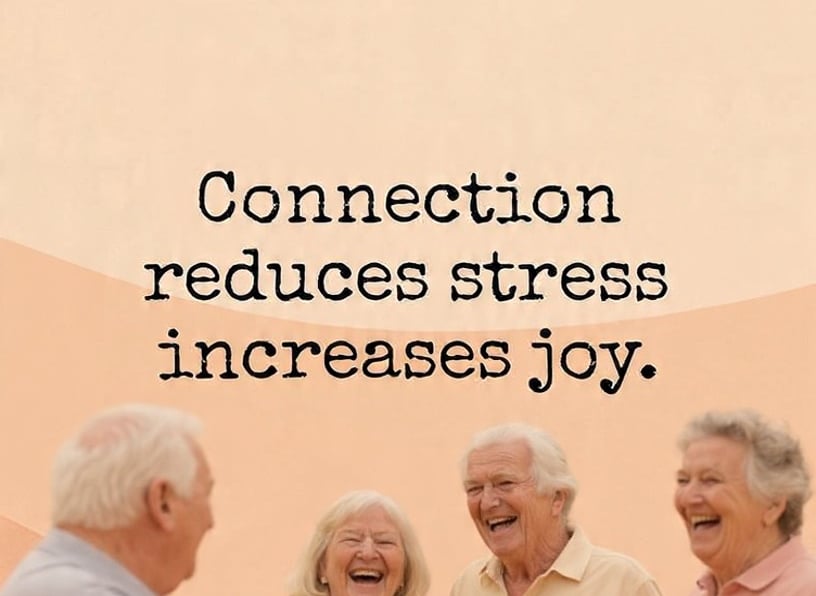
Isolation often increases anxiety, while meaningful relationships bring emotional comfort. Regular phone calls, group activities, church gatherings, or community events can strengthen bonds and reduce loneliness.
Healthy Nutrition for Emotional Balance
Balanced meals rich in fruits, vegetables, whole grains, and healthy fats support brain function and emotional stability. Limiting processed foods, caffeine, and excess sugar can help prevent mood fluctuations.
Quality Sleep and Rest
Sleep plays a vital role in emotional health. Establishing a calming bedtime routine—reading, prayer, gentle stretching, or relaxation breathing—can improve sleep quality and reduce anxiety.
Practical Stress-Relief Techniques Seniors Can Practice Daily
Deep breathing exercises: Slow breathing calms the nervous system.
Mindfulness meditation: Staying present reduces overthinking.
Nature walks: Time outdoors promotes relaxation.
Listening to calming music: Music therapy lowers stress levels.
Simple stretching routines: Relieves physical tension linked to anxiety.
Small daily practices create lasting emotional stability over time.
External Resources for Further Reading
National Institute on Aging – Stress and Older Adults
American Psychological Association – Healthy Aging and Stress Management
Suggested Internal Reading (Example Topics)
Gentle Exercises for Energy and Mobility After 60
Nutrition Habits That Support Healthy Aging
Walking for Longevity and Mental Wellness
Conclusion: Living the Golden Years with Calm and Confidence
Stress and anxiety may visit everyone at times, but they do not have to define the later chapters of life. By engaging in meaningful activities, cultivating gratitude, strengthening faith, maintaining healthy routines, and staying socially connected, seniors can build lives filled with peace, resilience, and joy.
The golden years are not merely about growing older—they are about growing deeper in wisdom, purpose, and appreciation for life. With intentional habits and a hopeful mindset, seniors can embrace each day with calm hearts and confident spirits, living with meaning, grace, and lasting happiness.