
How To Teach Children About Hope and Compassion
Learn how to teach children about hope and compassion through practical, research-based strategies that build empathy, resilience, and emotional well-being.
Javed Niamat
12/24/20254 min read
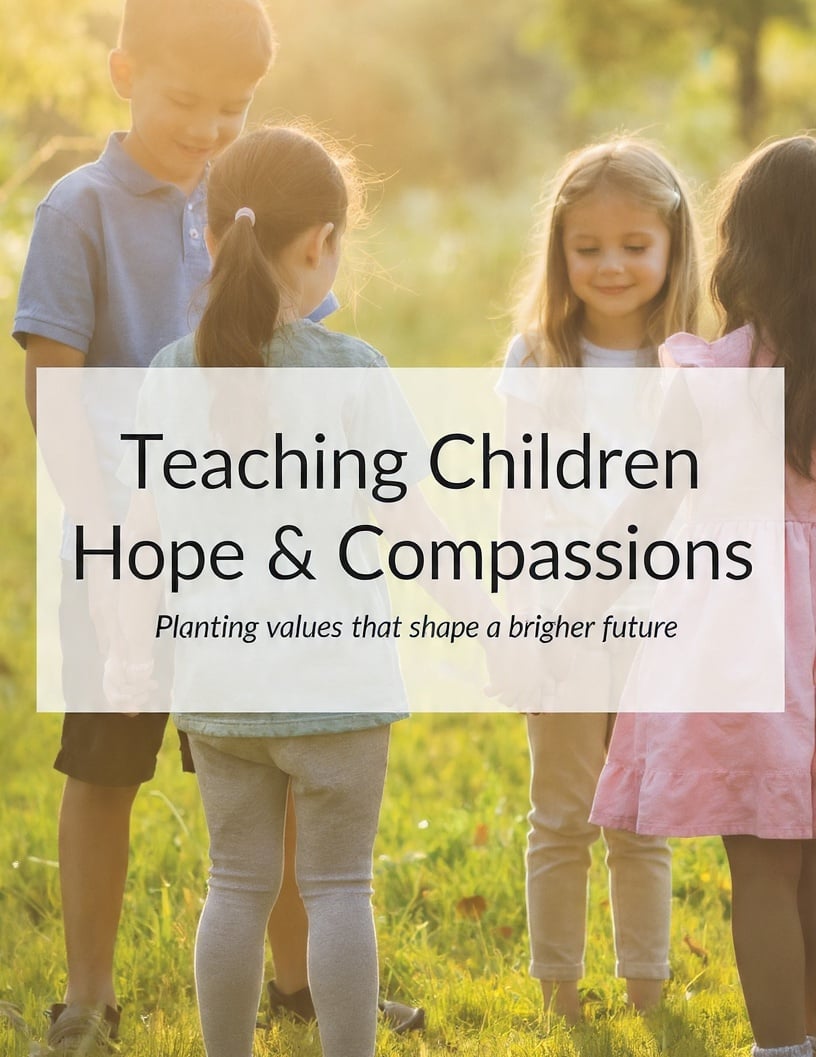

How To Teach Children About Hope and Compassion
Introduction
In a world often marked by uncertainty, conflict, and emotional pressure, teaching children about hope and compassion is more important than ever. Children are not only shaped by what they are taught, but by what they observe, experience, and practice daily. Hope gives children confidence in the future, while compassion helps them respond to others with kindness and understanding. Together, these values form a strong foundation for emotional health, moral growth, and lifelong resilience.
This article explores practical, research-based, and faith-friendly ways to teach children about hope and compassion—at home, in schools, and within communities. Whether you are a parent, teacher, pastor, or caregiver, these principles will help you nurture hearts that believe in goodness and act with love.
1. Understanding Hope and Compassion in Childhood
Hope in children is the belief that challenges can be overcome and that the future holds possibilities. Compassion is the ability to recognize another person’s pain and respond with care. Developmental psychology shows that children begin forming these concepts early through emotional modeling and secure relationships.
When children feel safe, heard, and valued, they naturally develop empathy and optimism. Teaching hope and compassion is not about shielding children from difficulties, but guiding them on how to face life with courage and kindness.
Internal link suggestion: How to Build a Hopeful Mindset in Children
External link suggestion: American Psychological Association research on child emotional development.
2. Lead by Example: Modeling Hopeful and Compassionate Behavior
Children learn more from what adults do than from what they say. When caregivers respond to stress with patience, speak words of encouragement, and show kindness to others, children absorb these behaviors as normal.
Simple actions—thanking others, helping neighbors, speaking gently during conflict—demonstrate compassion in everyday life. Modeling hope means showing children that setbacks are temporary and that solutions can be found.
Internal link suggestion: Raising Children Through Positive Example
External link suggestion: Harvard Center on the Developing Child studies on role modeling.
3. Teaching Through Stories and Conversations
Stories are powerful tools for shaping values. Children’s books, real-life testimonies, and faith-based narratives help children understand hope and compassion in relatable ways. Stories allow children to see how characters face challenges, make kind choices, and grow through adversity.
After reading or watching a story, ask reflective questions such as: “How did that character show compassion?” or “What gave them hope?” These conversations help children internalize values rather than simply memorize lessons.
Internal link suggestion: Using Stories to Teach Life Values to Children
External link suggestion: Scholastic research on storytelling and child development.
4. Encouraging Emotional Awareness and Empathy
Teaching children to identify and express their emotions is essential to developing compassion. When children understand their own feelings, they become better equipped to recognize emotions in others.
Encourage children to name their emotions and talk about what they are experiencing. Validate their feelings without judgment. This practice builds emotional intelligence and fosters empathy, which is the foundation of compassion.
Internal link suggestion: Helping Children Understand Their Emotions
External link suggestion: National Institutes of Health (NIH) studies on emotional intelligence.
5. Teaching Hope Through Problem-Solving and Resilience
Hope grows when children learn that challenges can be addressed. Instead of immediately fixing problems for children, guide them through problem-solving. Ask questions like, “What do you think we can do next?”
Research on resilience shows that children who learn coping skills and problem-solving strategies develop greater confidence and optimism. These experiences teach children that difficulties do not define them—and that hope is built through effort and perseverance.
Internal link suggestion: Building Resilience in Children Through Everyday Challenges
External link suggestion: World Health Organization (WHO) resources on child resilience.
6. Practicing Compassion Through Service and Kindness
Hands-on experiences are some of the most effective ways to teach compassion. Encourage children to participate in age-appropriate acts of service, such as sharing toys, helping a classmate, or volunteering as a family.
Studies show that children who engage in service activities develop stronger empathy and a greater sense of purpose. These experiences help children see that their actions matter and that helping others brings joy and hope.
Internal link suggestion: How Serving Others Teaches Children Lifelong Values
External link suggestion: United Nations research on youth volunteerism and social development.
7. Creating a Hope-Filled Home Environment
A supportive environment plays a major role in shaping children’s outlook on life. Homes filled with encouragement, gratitude, and open communication nurture hope naturally.
Celebrate small achievements, practice gratitude together, and create routines that provide stability. When children feel secure, they are more likely to develop optimism and compassion toward others.
Internal link suggestion: Creating a Positive and Hopeful Home
External link suggestion: UNICEF reports on child well-being and family environments.
8. Teaching Compassion Through Faith and Spiritual Values
For families and communities of faith, spiritual teachings offer a strong framework for hope and compassion. Prayer, scripture reading, and discussions about love, forgiveness, and service help children connect moral values with daily life.
Spiritual practices also provide comfort during difficult times, reinforcing hope and teaching children that they are part of something greater than themselves.
Internal link suggestion: Teaching Children Faith-Based Values in Everyday Life
External link suggestion: Pew Research Center studies on faith and child development.
Conclusion
Teaching children about hope and compassion is one of the greatest investments we can make in the future. Through modeling, storytelling, emotional awareness, service, and spiritual guidance, children learn to face life with courage and respond to others with kindness.
In a changing world, children grounded in hope and compassion become adults who bring healing, understanding, and positive change. By nurturing these values today, we help shape a brighter and more compassionate tomorrow.