
How to Practice Sabbath Rest: Finding Peace, Renewal, and Spiritual Balance in a Busy World
Learn how to practice Sabbath rest with this inspiring and humanized guide. Discover biblical principles, practicalHow to Practice Sabbath Rest: Finding Peace, Renewal, and Spiritual."How to Practice Sabbath Rest: Finding Peace, Renewal, and Spiritual Balance in a Busy World."
Written By Missionary Ps Javed Niamat
5/12/20266 min read
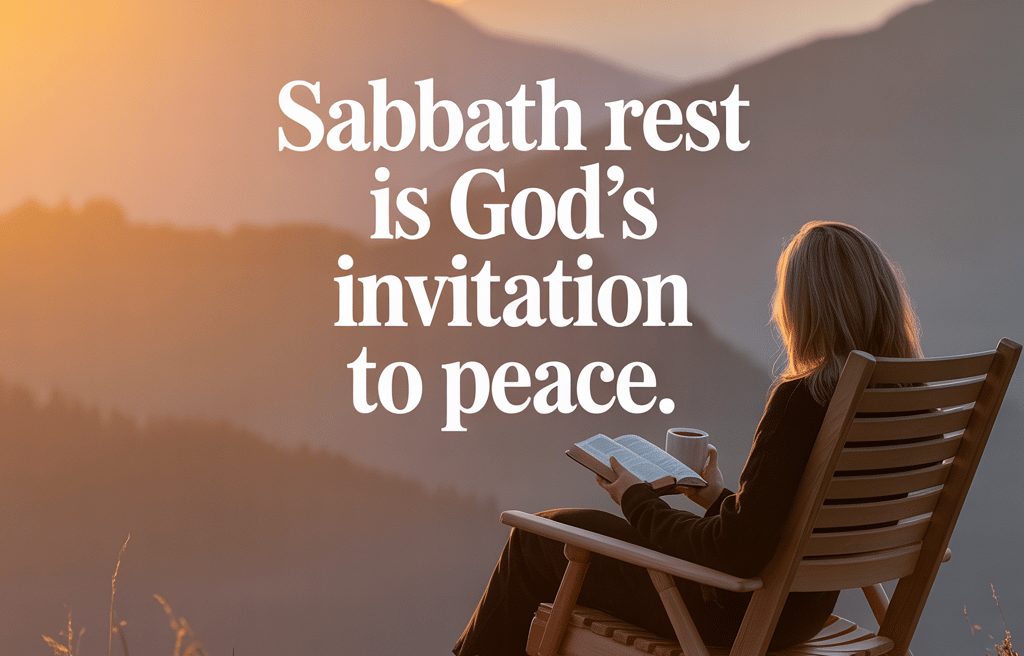
How to Practice Sabbath Rest: Finding Peace, Renewal, and Spiritual Balance in a Busy World.
How to Practice Sabbath Rest
Sabbath Rest
Biblical Rest
Spiritual Rest
Rest According to the Bible
Christian Self Care
Faith and Rest
Sabbath Day Meaning
How to Practice Sabbath Rest
In today’s fast-moving world, many people feel emotionally exhausted, mentally overwhelmed, and spiritually drained. Life has become filled with endless responsibilities, social media distractions, work pressure, financial stress, and constant busyness. People often push themselves beyond healthy limits, believing productivity is more important than peace.
Yet deep inside, the human soul longs for rest.
This is why the biblical principle of Sabbath rest remains more important today than ever before.
Sabbath rest is not merely about taking a break from work. It is a spiritual invitation from God to slow down, reconnect with Him, restore the soul, and find peace beyond the noise of daily life.
From the very beginning of creation, God established the importance of rest. In Genesis, after creating the heavens and the earth, God rested on the seventh day. This was not because He was tired, but because He wanted humanity to understand the beauty of rhythm, balance, worship, and renewal.
Many people today struggle with anxiety, burnout, emotional fatigue, and spiritual emptiness because they rarely stop to truly rest.
Practicing Sabbath rest helps believers step away from stress and remember that life is not only about achievement — it is also about relationship, worship, gratitude, and renewal.
This article explores the meaning of Sabbath rest, why it matters, and practical ways to practice it in modern life.
What Is Sabbath Rest?
The word “Sabbath” comes from a Hebrew word meaning “to stop,” “to cease,” or “to rest.”
In the Bible, God commanded His people to set apart one day for rest and worship.
Exodus 20:8 says:
“Remember the Sabbath day by keeping it holy.”
The Sabbath was designed as a gift, not a burden.
It was meant to provide:
Physical rest
Emotional renewal
Spiritual refreshment
Time for worship
Family connection
Reflection and gratitude
Sabbath rest reminds believers that their identity is not based only on productivity or achievement.
Human beings were created not only to work, but also to rest in God’s presence.
Why Sabbath Rest Matters Today
Modern culture often celebrates busyness.
People frequently feel pressured to stay constantly active, productive, and available. Phones never stop buzzing. Work follows people home. Social media keeps minds overloaded with comparison and distraction.
As a result, many individuals feel emotionally exhausted and spiritually disconnected.
Sabbath rest matters because it restores balance.
It allows the body, mind, and soul to recover.
More importantly, it reminds people to trust God instead of depending entirely on their own strength.
Psalm 46:10 says:
“Be still, and know that I am God.”
Stillness is difficult in a noisy world, but it is often where spiritual renewal begins.
The Difference Between Rest and Escape
Many people confuse true rest with temporary escape.
Watching endless entertainment, scrolling social media for hours, or constantly distracting the mind may provide temporary relief, but it does not always restore the soul.
Biblical Sabbath rest is deeper.
It involves intentionally creating space for:
Peace
Worship
Reflection
Gratitude
Connection with God
Emotional renewal
True rest refreshes the soul instead of merely distracting the mind.
The Spiritual Benefits of Sabbath Rest
Practicing Sabbath rest brings many emotional and spiritual benefits.
1. Sabbath Rest Reduces Stress
Constant busyness increases anxiety and emotional exhaustion.
Rest allows the nervous system, mind, and emotions to calm down.
When believers intentionally slow down, they often experience greater peace and mental clarity.
2. Sabbath Rest Strengthens Faith
Taking time to rest requires trust.
It means believing that God remains in control even when people stop working.
Sabbath rest teaches believers to depend on God rather than constantly striving.
3. Sabbath Rest Restores Emotional Health
Emotional burnout has become common in modern society.
Rest provides space for healing, reflection, and emotional recovery.
Many people discover renewed joy, peace, and gratitude when they slow down.
4. Sabbath Rest Deepens Relationship with God
A busy life often leaves little room for prayer, worship, and spiritual reflection.
Sabbath creates intentional time to reconnect with God.
This spiritual connection refreshes the soul and strengthens faith.
How Jesus Modeled Rest
Jesus Himself practiced rest.
Although He carried enormous responsibilities, He regularly withdrew from crowds to pray and spend time with the Father.
Luke 5:16 says:
“Jesus often withdrew to lonely places and prayed.”
This is important because it shows that even Jesus valued quietness, reflection, and spiritual renewal.
If Jesus needed moments of rest, modern believers certainly do as well.
Practical Ways to Practice Sabbath Rest
Sabbath rest may look different for different people, but the goal remains the same: slowing down to reconnect with God and restore the soul.
Here are practical ways to practice Sabbath rest in everyday life.
1. Set Apart Intentional Time
Choose a regular time each week dedicated to rest and spiritual renewal.
For some people, this may be Sunday. Others may choose another day depending on work schedules.
The important thing is intentionality.
Sabbath rest rarely happens accidentally.
It requires choosing to pause.
2. Disconnect from Constant Distractions
Technology can easily overwhelm the mind.
Consider limiting:
Social media
Emails
Work notifications
Endless screen time
Instead, create space for quietness and reflection.
Even a few hours away from digital distractions can refresh the mind significantly.
3. Spend Time in Prayer and Worship
Sabbath is not only about physical rest — it is also about spiritual connection.
Spend time:
Reading Scripture
Worshiping
Praying
Reflecting on God’s goodness
Expressing gratitude
These practices help restore peace and spiritual strength.
4. Enjoy God’s Creation
Nature has a calming effect on the soul.
Taking walks, sitting outdoors, watching sunsets, or spending time near water can create emotional peace and spiritual reflection.
Psalm 19 reminds believers that creation reveals God’s glory.
Quiet moments in nature often help people feel closer to God.
5. Focus on Relationships
Sabbath can also be a time for meaningful connection with family and loved ones.
Modern busyness often weakens relationships.
Rest creates opportunities for:
Family meals
Meaningful conversations
Encouraging others
Sharing gratitude
Building stronger connections
Healthy relationships contribute greatly to emotional well-being.
6. Practice Gratitude
Gratitude transforms perspective.
During Sabbath rest, reflect on God’s blessings and faithfulness.
A grateful heart experiences greater peace and joy.
Simple gratitude practices may include:
Journaling blessings
Thanking God in prayer
Reflecting on answered prayers
Appreciating small moments
Gratitude shifts attention away from stress and toward God’s goodness.
7. Allow Yourself to Rest Without Guilt
Many people feel guilty when they rest.
Modern culture often treats constant productivity as success.
However, rest is not laziness.
Rest is healthy, biblical, and necessary.
God created human beings with limits.
Practicing Sabbath rest acknowledges those limits and allows the soul to recover.
Common Obstacles to Sabbath Rest
Many people struggle to practice Sabbath consistently.
Here are common obstacles:
Busyness
People often feel there is too much work to stop.
Yet endless busyness eventually leads to exhaustion.
Guilt
Some individuals feel guilty resting because they equate rest with laziness.
Biblically, rest is an act of wisdom and trust.
Digital Overload
Constant screen time makes it difficult to slow down mentally.
Intentional boundaries help create healthier rhythms.
Fear of Falling Behind
Some fear they will lose productivity if they rest.
Ironically, healthy rest often improves focus, creativity, and emotional health.
The Emotional Healing Found in Rest
Many people carry emotional burdens silently.
Stress, grief, anxiety, disappointment, and exhaustion can weigh heavily on the heart.
Sabbath rest creates space for emotional healing.
Sometimes healing begins not through striving harder, but through slowing down long enough to let God restore the soul.
Jesus said in Matthew 11:28:
“Come to me, all you who are weary and burdened, and I will give you rest.”
This invitation remains deeply comforting today.
God does not merely call people to work for Him.
He also invites them to rest with Him.
Sabbath Rest and Mental Health
Modern research increasingly confirms what Scripture has taught for centuries: rest is essential for emotional and mental well-being.
Healthy rest can help:
Reduce anxiety
Improve emotional stability
Restore focus
Increase peace
Strengthen relationships
Prevent burnout
While Sabbath rest is deeply spiritual, it also positively affects overall health.
Creating a Lifestyle of Rest
Sabbath is not only a weekly event — it reflects a lifestyle of trusting God.
People who practice healthy rhythms of rest often experience:
Greater peace
Stronger faith
Better emotional balance
Deeper gratitude
Healthier relationships
Spiritual renewal
Rest becomes a reminder that life is not sustained by human effort alone.
God remains faithful even when people pause.
Final Thoughts
Learning how to practice Sabbath rest is one of the most important spiritual disciplines in today’s exhausted world.
In a culture that constantly pushes people to do more, move faster, and stay busy, God lovingly invites His people to slow down and rest.
Sabbath rest is not weakness.
It is wisdom.
It is choosing peace over pressure.
It is choosing worship over worry.
It is choosing renewal over burnout.
Most importantly, Sabbath rest reminds believers that their value comes not from endless productivity, but from being loved by God.
Whether through prayer, worship, quiet reflection, family connection, or peaceful moments in nature, practicing Sabbath rest allows the soul to breathe again.
And in those quiet moments of rest, many people rediscover what truly matters most:
God’s presence.
God’s peace.
And the deep renewal only He can provide.