
How To Practice Gratitude Daily
Learn how to practice gratitude daily with simple habits that improve mental health, increase happiness, and build a positive mindset.
Written by Pastor Javed Niamat Missionary Pastor & Founder of Hope in Everyday Dedicated to sharing faith-based encouragement, hope, and practical wisdom for daily life.
3/7/20264 min read
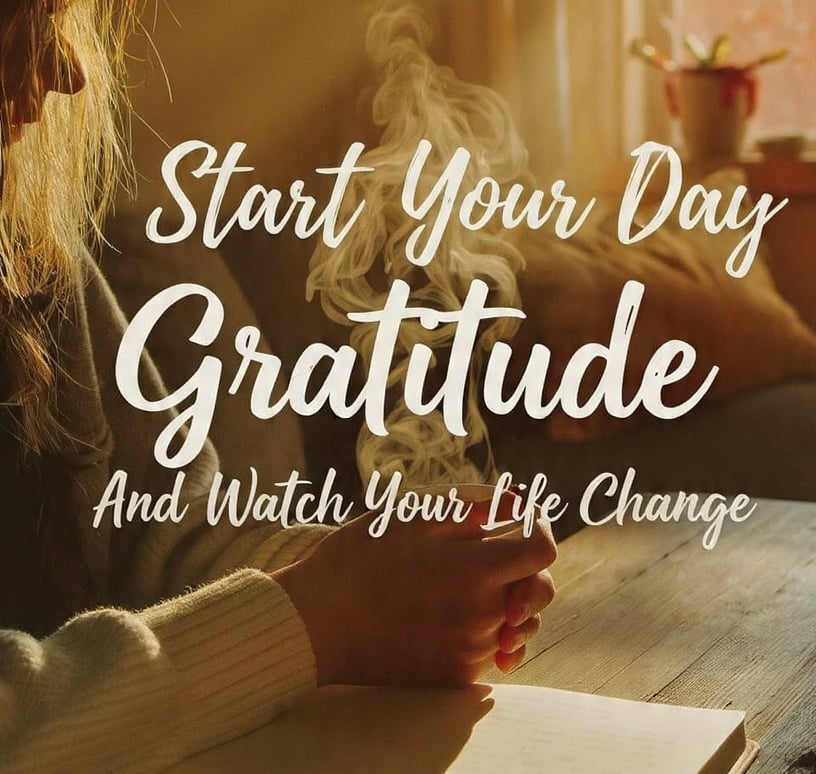

How To Practice Gratitude Daily: A Simple Guide to a Happier and Healthier Life
Introduction
In today’s fast‑paced world, many people focus on what is missing in their lives rather than appreciating what they already have. Deadlines, responsibilities, and constant comparison through social media can make it easy to overlook the small blessings that surround us every day. Practicing gratitude is a powerful habit that can transform the way we think, feel, and live.
Gratitude is more than simply saying "thank you." It is a mindset that helps us recognize and appreciate the good things in life, both big and small. When practiced consistently, gratitude can improve mental health, strengthen relationships, and create a more positive outlook on life.
This guide explores how to practice gratitude daily, why it matters, and simple habits you can adopt to make gratitude a natural part of your everyday routine.
What Is Gratitude?
Gratitude is the act of acknowledging and appreciating the positive aspects of life. It involves recognizing kindness from others, appreciating personal achievements, and valuing everyday experiences such as good health, supportive relationships, and peaceful moments.
Psychologists describe gratitude as a positive emotional state that arises when we notice and appreciate the good things in our lives. Instead of focusing on problems or frustrations, gratitude encourages us to shift attention toward blessings and opportunities.
Why Practicing Gratitude Matters
Research shows that gratitude has powerful effects on emotional and physical well‑being. People who regularly practice gratitude often experience higher levels of happiness and lower levels of stress.
1. Improves Mental Health
Gratitude helps reduce negative emotions such as envy, frustration, and resentment. By focusing on positive aspects of life, the brain develops healthier thought patterns.
2. Reduces Stress and Anxiety
When people focus on appreciation rather than worry, their stress levels often decrease. Gratitude creates a sense of peace and contentment.
3. Strengthens Relationships
Expressing gratitude toward friends, family, and colleagues helps build stronger connections and mutual respect.
4. Encourages Positive Thinking
Gratitude trains the mind to notice opportunities, progress, and blessings rather than focusing only on difficulties.
5. Improves Physical Health
Studies suggest that grateful individuals often sleep better, exercise more regularly, and take better care of their health.
Simple Ways to Practice Gratitude Daily
Practicing gratitude does not require dramatic changes in your lifestyle. Small daily habits can gradually reshape your mindset.
1. Start a Gratitude Journal
One of the most effective ways to build a gratitude habit is keeping a gratitude journal. Each day, write down three to five things you are thankful for.
These can include simple moments such as:
A kind conversation
A beautiful sunset
A productive workday
A supportive friend
Writing these moments helps reinforce positive memories.
2. Begin the Day with Gratitude
Starting your morning with gratitude can shape your attitude for the rest of the day. Before checking your phone or starting work, take a moment to reflect on something you appreciate.
This practice sets a positive tone and helps you approach the day with optimism.
3. Practice Mindful Appreciation
Many people move through their day without noticing small positive experiences. Mindful gratitude involves intentionally noticing and appreciating these moments.
For example:
Enjoying the warmth of sunlight
Savoring a good meal
Appreciating a quiet moment
These small experiences can significantly boost emotional well‑being.
4. Express Gratitude to Others
Gratitude becomes even more powerful when it is shared. Take time to thank the people who positively impact your life.
You can express appreciation by:
Sending a thoughtful message
Writing a thank‑you note
Complimenting someone’s effort
These actions strengthen relationships and spread positivity.
5. Reflect Before Sleeping
Ending the day with gratitude can improve sleep and reduce nighttime anxiety. Before going to bed, think about three positive things that happened during the day.
This reflection shifts attention away from worries and toward appreciation.
Building a Long‑Term Gratitude Habit
Developing a gratitude mindset takes consistency. The following strategies can help make gratitude a permanent habit.
Set Daily Reminders
Placing reminders on your phone or writing notes in visible places can encourage regular gratitude practice.
Pair Gratitude with Existing Habits
Attach gratitude practice to daily routines such as brushing your teeth, eating breakfast, or commuting.
Focus on Progress, Not Perfection
Some days may feel difficult, and finding things to appreciate might seem challenging. Even small moments of gratitude count.
Gratitude and Mental Clarity
Practicing gratitude regularly helps clear mental clutter and reduce negative thought cycles. When people intentionally focus on positive experiences, their brains gradually develop stronger pathways for optimism.
This mental shift can lead to improved concentration, emotional stability, and overall life satisfaction.
Teaching Gratitude to Children
Gratitude is an important life skill that can be taught from an early age. Parents and teachers can encourage children to recognize kindness and appreciate everyday blessings.
Simple ways to teach gratitude include:
Encouraging children to say thank you
Talking about positive moments during the day
Creating family gratitude traditions
These practices help children develop empathy and emotional awareness.
Overcoming Common Gratitude Challenges
Some people struggle to practice gratitude because they feel overwhelmed by problems or stress. In such moments, it is helpful to remember that gratitude does not mean ignoring difficulties.
Instead, gratitude allows individuals to acknowledge challenges while still recognizing positive aspects of life.
Conclusion
Practicing gratitude daily is one of the simplest yet most powerful ways to improve overall well‑being. By appreciating the good things in life, people can develop a more positive mindset, stronger relationships, and greater emotional resilience.
The beauty of gratitude is that it does not require special resources or complicated techniques. A few moments of reflection each day can gradually transform the way you experience life.
When gratitude becomes a habit, happiness and contentment often follow naturally.