
How to Build a Hopeful Mindset Even in Dark Seasons
Learn how to build a hopeful mindset even in dark seasons. Discover practical, emotional, and faith-based strategies to restore hope, resilience, and inner strength during life’s most challenging times.
Javed Niamat
12/23/20254 min read
How to Build a Hopeful Mindset Even in Dark Seasons
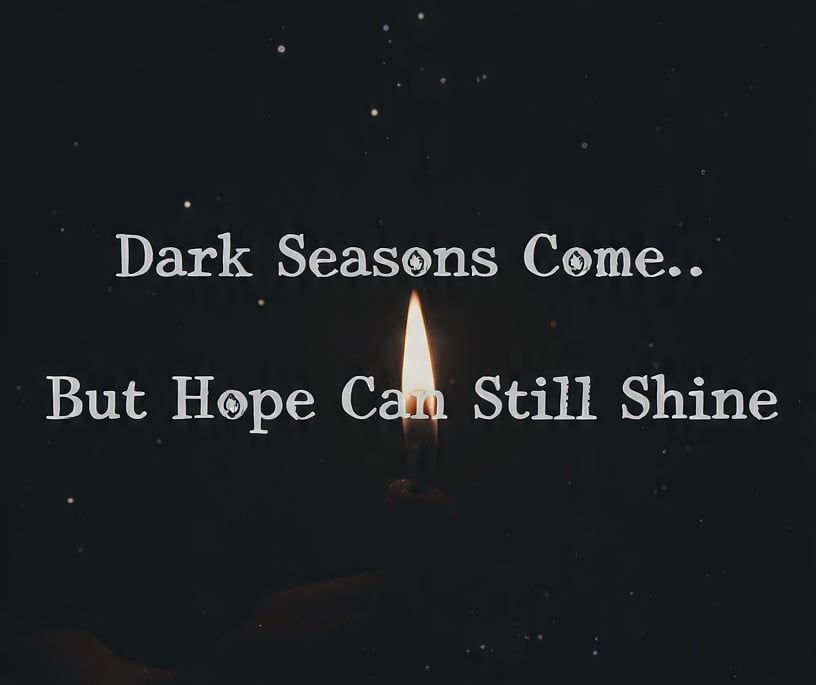
Life has seasons—some bright and full of joy, others heavy, confusing, and painful. Dark seasons may come through loss, illness, financial pressure, broken relationships, or spiritual dryness. During such times, hope can feel distant or even unrealistic. Yet hope is not denial of pain; it is the courage to believe that pain does not have the final word.
Building a hopeful mindset in dark seasons is not about pretending everything is fine. It is about learning how to stand firm when everything feels uncertain. This article explores practical, emotional, and faith-centered ways to cultivate hope—even when circumstances remain difficult.
Understanding Hope: More Than Positive Thinking
Hope is often misunderstood as simple optimism. True hope is deeper. It is a mindset rooted in meaning, endurance, and trust. Research in psychology shows that hope involves three core elements: goals, pathways, and motivation. When people believe there is a way forward—and that their efforts matter—they are more resilient during hardship.
Hope allows you to say, “This hurts, but it will not destroy me.” It gives strength to continue even when answers are unclear. In dark seasons, hope becomes a lifeline rather than a feeling.
External reference: According to research published by the American Psychological Association, hope is strongly linked to emotional resilience and better coping skills during trauma and stress.
Acknowledge the Darkness Without Shame
One of the most harmful myths about hope is that strong people never struggle. In reality, acknowledging pain is the first step toward healing. Suppressing grief, fear, or anger only deepens emotional exhaustion.
Allow yourself to name what you are going through. Journaling, prayer, or speaking honestly with a trusted person can bring clarity and emotional release. Darkness does not mean failure—it means you are human.
Faith traditions across the world, including the Psalms, show that lament and hope can exist together. Crying out in pain is not a lack of faith; it is often the doorway to renewed strength.
Internal link suggestion: Finding Hope After Loss, Grief, or Disappointment
Shift Your Focus From Control to Trust
Dark seasons often feel overwhelming because they remind us of how little control we truly have. Trying to control everything leads to anxiety and burnout. Hope grows when we learn to release what we cannot manage and focus on what we can.
Ask yourself:
What is within my control today?
What small step can I take right now?
Trust does not mean passivity. It means taking responsibility for your actions while surrendering outcomes beyond your reach. For believers, trust is anchored in the conviction that God is present even in suffering.
External reference: Studies from Harvard Health Publishing emphasize that acceptance and trust-based coping reduce stress and improve emotional well-being.
Practice Gratitude—Even in Small Measures
Gratitude is not about ignoring pain; it is about noticing goodness alongside it. Research shows that practicing gratitude can rewire the brain, increasing dopamine and serotonin—chemicals linked to hope and happiness.
Start small. Each day, write down one thing you are thankful for: a kind word, a moment of rest, or the strength to endure another day. Over time, gratitude shifts your perspective from scarcity to sufficiency.
In dark seasons, gratitude may feel forced at first. That is normal. Hope often begins as a discipline before it becomes a feeling.
Internal link suggestion: The Power of Gratitude: How Thankfulness Creates Daily Hope
Build Hope Through Daily Routines
When life feels chaotic, routines create stability. Simple daily habits—waking up at the same time, short walks, prayer, reading, or exercise—provide a sense of normalcy and purpose.
Routine sends a powerful message to your mind: Life is still moving forward. Even small actions restore a sense of agency and dignity.
Mental health experts emphasize that structure reduces anxiety and depression during stressful periods. Hope grows when days feel manageable rather than overwhelming.
Surround Yourself With Hope-Carrying People
Isolation intensifies despair. Hope is often restored through community. Being around people who listen without judgment, encourage gently, and speak truth can transform your outlook.
Choose relationships that allow honesty rather than pressure. Avoid voices that minimize your pain or rush your healing. Healthy community reminds you that you are not alone in your struggle.
If in-person support is limited, online faith groups, counseling services, or support communities can also offer connection and understanding.
External reference: The National Institute of Mental Health highlights social support as a key factor in emotional resilience and recovery.
Strengthen Hope Through Faith and Prayer
For many, faith is the foundation of hope during dark seasons. Prayer becomes a space to release burdens, express doubt, and receive comfort. Even silent prayers or simple words like “Help me” carry power.
Scripture reminds believers that suffering is not wasted. Faith-based hope does not promise immediate relief, but it offers enduring meaning. It anchors the soul when emotions fluctuate.
Spiritual practices such as meditation, worship, fasting, or reading sacred texts can renew inner strength and remind you of God’s faithfulness across generations.
Internal link suggestion: How Faith Helps Us See Hope in Every Circumstance
Reframe the Story You Tell Yourself
During dark seasons, the mind often repeats negative narratives: “This will never change,” “I am weak,” “Nothing good lies ahead.” These thoughts feel real, but they are not always true.
Cognitive research shows that reframing thoughts—challenging distorted beliefs—can significantly improve emotional health. Replace hopeless statements with truthful ones:
This season is painful, but it is not permanent.
I am struggling, yet I am still moving forward.
The story you tell yourself shapes your mindset. Hope grows when truth replaces fear.
Serve Others to Rediscover Purpose
One powerful way to rebuild hope is through service. Helping others shifts focus away from personal pain and restores a sense of purpose. Even small acts—encouraging messages, volunteering, or acts of kindness—can reignite meaning.
Service does not remove your struggles, but it reminds you that your life still carries value. Purpose fuels hope, especially when personal circumstances feel stagnant.
Internal link suggestion: Small Acts of Kindness That Can Change Someone’s Day
Give Yourself Time and Grace
Hope is not rebuilt overnight. Dark seasons have no fixed timeline, and healing cannot be rushed. Be patient with your progress. Celebrate small victories—getting through a day, asking for help, choosing not to give up.
Grace toward yourself is essential. You are not weak for needing time; you are strong for continuing despite the weight.
Remember: hope is not the absence of darkness—it is the light that refuses to go out.
Conclusion: Choosing Hope, One Day at a Time
Building a hopeful mindset in dark seasons is a daily decision. It is choosing to trust when answers are unclear, to believe when feelings waver, and to keep moving when strength feels limited.
Darkness may shape you, but it does not define you. With faith, support, gratitude, and perseverance, hope can rise again—quietly, steadily, and powerfully.
No matter how long the night lasts, morning will come.