
How to Bring Hope to Others Through Your Words and Actions
Discover how to bring hope to others through your words and actions. Learn practical, compassionate ways to encourage, uplift, and inspire resilience while creating meaningful impact in everyday life.
Javed Niamat
12/22/20254 min read
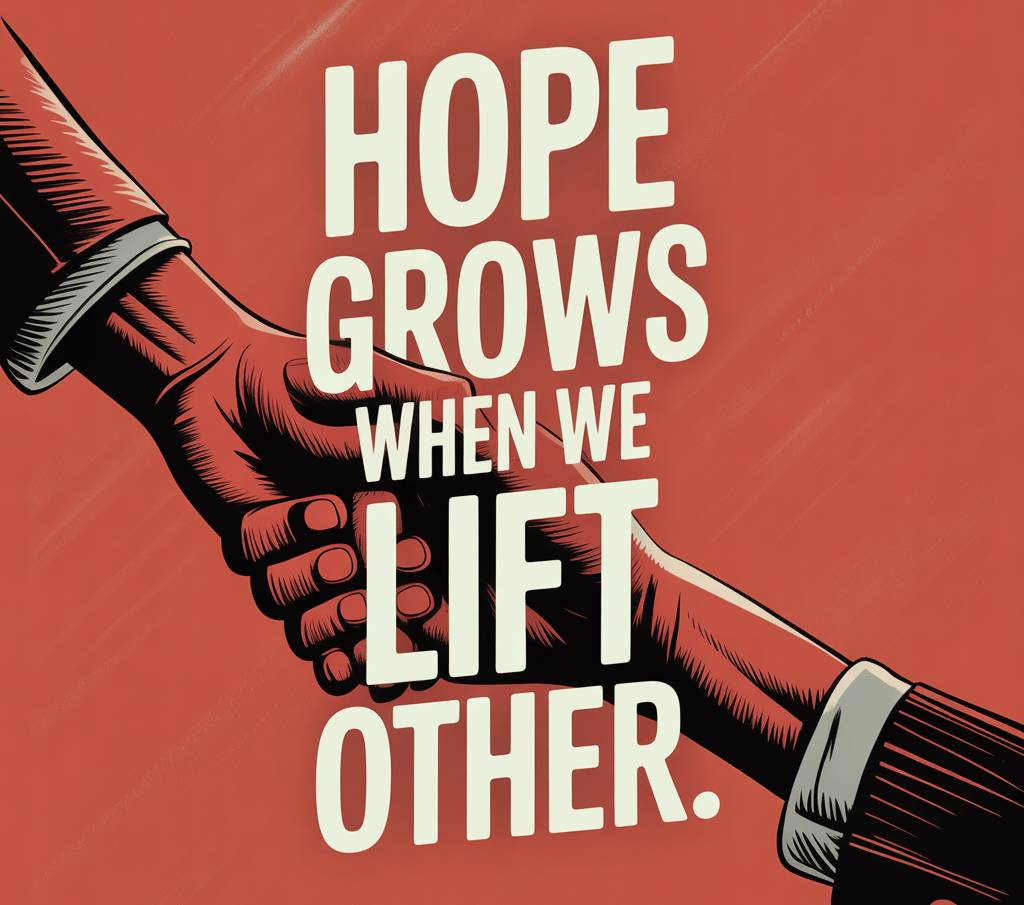
How to Bring Hope to Others Through Your Words and Actions
Introduction:
In a world filled with uncertainty, loss, and emotional fatigue, hope has become one of the most powerful gifts a person can receive. Hope does not always arrive through grand gestures or perfect solutions. Often, it is born through simple words spoken at the right time or compassionate actions carried out with sincerity. When we choose to speak life and act with kindness, we become carriers of hope—quietly restoring faith in hearts that are weary.
This article explores practical, human-centered ways to bring hope to others through your words and actions. Grounded in research, personal experience, and timeless principles, it offers a roadmap for anyone who desires to uplift others in meaningful and lasting ways.
Why Hope Matters More Than Ever
Psychological studies consistently show that hope is closely linked to emotional resilience, mental well-being, and even physical health. According to research published by the American Psychological Association, hopeful individuals cope better with stress, recover faster from trauma, and maintain stronger relationships.
Hope gives people a reason to keep moving forward when circumstances feel overwhelming. For those facing grief, poverty, illness, or disappointment, hope becomes an anchor—holding them steady when life feels out of control.
Internal Link Suggestion: Finding Strength During Difficult Seasons
External Reference: American Psychological Association – Research on Hope and Resilience
The Power of Words: Speaking Life into Broken Places
Words have the ability to heal or harm, uplift or discourage. When used intentionally, they become one of the strongest tools for restoring hope.
1. Listen Before You Speak
Hopeful words begin with understanding. When someone is hurting, they do not always need advice; they need to be heard. Active listening—without interruption or judgment—communicates value and respect.
Simple phrases such as:
“I’m here with you.”
“Your pain matters.”
“You’re not alone.”
can bring comfort more effectively than long speeches.
2. Speak with Honesty and Compassion
False optimism can damage trust. Instead of saying, “Everything will be fine,” acknowledge the reality of the struggle while still pointing toward hope:
“This is hard, but you don’t have to face it alone.”
“I believe there is still purpose ahead, even if you can’t see it yet.”
These words validate pain while keeping hope alive.
3. Encourage Progress, Not Perfection
Many people feel defeated because they believe they are failing. Remind them that growth often happens in small steps.
Celebrate effort, not just results.
Affirm resilience: “You’re stronger than you think.”
Internal Link Suggestion: The Power of Encouragement in Daily Life
The Language of Empathy: Saying What the Heart Needs to Hear
Empathy builds bridges of hope. It allows people to feel seen and understood.
4. Use Affirming and Respectful Language
Avoid minimizing pain or comparing struggles. Statements like “Others have it worse” can unintentionally deepen discouragement.
Instead, say:
“What you’re feeling is valid.”
“Anyone in your situation would feel this way.”
5. Share Stories of Resilience
Personal stories of overcoming hardship can inspire hope—when shared humbly. Be careful not to make the conversation about yourself. The goal is to remind others that change and healing are possible.
Research from the University of Pennsylvania highlights that storytelling activates emotional centers in the brain, helping people imagine positive outcomes for themselves.
External Reference: University of Pennsylvania – Positive Psychology Research
Actions That Speak Louder Than Words
Hope becomes tangible when words are supported by action. Even small acts of kindness can restore faith in humanity.
6. Show Up Consistently
Presence is powerful. A visit, a message, or a simple check-in can mean more than grand gestures. Consistency communicates care.
Regular phone calls
Thoughtful messages
Remembering important dates
7. Serve with Humility
Helping someone in practical ways—such as providing meals, offering transportation, or assisting with daily tasks—can relieve emotional burdens.
Acts of service say, “Your life matters.”
8. Be Patient in the Process
Healing and hope take time. Avoid pressuring others to “move on.” Walk with them at their pace, respecting their journey.
Internal Link Suggestion: Small Acts of Kindness That Change Lives
Creating a Culture of Hope in Everyday Life
Hope should not be reserved for moments of crisis alone. It can become a lifestyle.
9. Practice Gratitude Publicly
Expressing gratitude openly fosters hope. Thank people for their efforts, kindness, and presence. Gratitude creates emotional safety and positivity.
10. Model Hope Through Your Own Life
People draw hope from observing resilience. When you face challenges with faith, integrity, and perseverance, you silently give others permission to believe again.
This does not mean pretending to be strong at all times—it means being honest while remaining hopeful.
Hope in Faith and Spiritual Perspective
For many, hope is deeply connected to faith. Spiritual hope goes beyond circumstances, offering peace even in uncertainty.
Sacred teachings across traditions emphasize love, compassion, and service. Faith-based hope reassures people that their suffering is not meaningless and that restoration is possible.
External Reference: Harvard Human Flourishing Program – Faith and Well-being
Practical Daily Habits That Spread Hope
Speak one encouraging word each day
Perform one intentional act of kindness
Pray or reflect for others regularly
Choose compassion in conflict
Replace criticism with understanding
Over time, these small habits create ripple effects of hope in families, workplaces, and communities.
Conclusion: Becoming a Messenger of Hope
Bringing hope to others does not require perfection, wealth, or special training. It begins with a willing heart, attentive ears, and compassionate actions. Your words can be a light in someone’s darkness. Your actions can remind them that they are not forgotten.
In times when the world feels heavy, choosing to bring hope is a courageous act. When we speak with kindness and act with love, we become instruments of healing—quietly transforming lives, one moment at a time.
Suggested Internal Links
Finding Strength During Difficult Seasons
The Power of Encouragement in Daily Life
Small Acts of Kindness That Change Lives
Suggested External Links
American Psychological Association – Hope and Resilience Research
University of Pennsylvania – Positive Psychology Center
Harvard Human Flourishing Program