
Communication Skills in Healthy Relationships
Learn essential communication skills for healthy relationships. Discover practical tips to improve understanding, resolve conflicts, and build stronger, lasting connections.Communication Skills in Healthy Relationships"
Written By Missionary Ps Javed Niamat
4/27/20263 min read
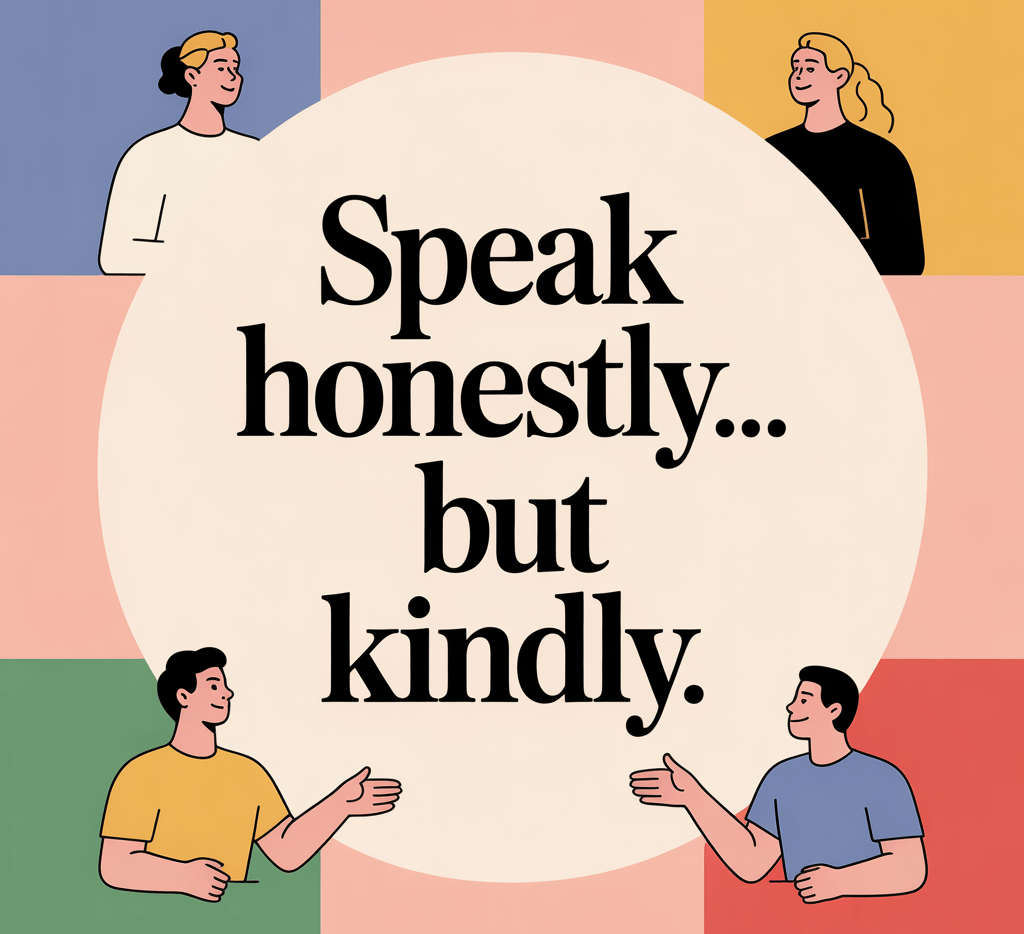
Communication Skills in Healthy Relationships
Introduction: The Heart of Every Healthy Relationship
Every strong and lasting relationship is built on one essential foundation—communication. Whether it is a marriage, friendship, or family bond, the way we communicate determines the strength, depth, and longevity of the relationship.
Many relationships struggle not because of lack of love, but because of poor communication. Misunderstandings, assumptions, and unspoken feelings can slowly create distance between people.
The good news is that communication is a skill—and like any skill, it can be learned and improved.
What Is Healthy Communication?
Healthy communication is the ability to express thoughts, feelings, and needs clearly and respectfully while also listening and understanding the other person.
It is not just about talking—it is about connecting.
Healthy communication involves:
Honesty
Respect
Empathy
Active listening
Why Communication Is Important in Relationships
Communication plays a vital role in:
1. Building Trust
Open and honest communication creates a safe space where both people feel valued and understood.
2. Resolving Conflicts
Disagreements are natural, but good communication helps resolve them in a healthy way.
3. Strengthening Emotional Connection
Sharing thoughts and feelings deepens emotional intimacy.
4. Preventing Misunderstandings
Clear communication reduces confusion and assumptions.
Common Communication Problems
Many relationships face challenges such as:
Not listening properly
Interrupting during conversations
Avoiding difficult discussions
Using harsh or hurtful words
Making assumptions instead of asking questions
Recognizing these issues is the first step toward improvement.
Essential Communication Skills for Healthy Relationships
1. Active Listening
Listening is just as important as speaking. Active listening means giving full attention, understanding, and responding thoughtfully.
Tips:
Maintain eye contact
Avoid interrupting
Show understanding through nodding or responses
2. Expressing Yourself Clearly
Be honest about your feelings, but communicate them calmly and respectfully.
Instead of blaming, use “I” statements:
“I feel hurt when…”
“I need…”
3. Empathy and Understanding
Try to see things from the other person’s perspective. Empathy builds connection and reduces conflict.
4. Non-Verbal Communication
Body language, tone of voice, and facial expressions play a big role in communication.
Be mindful of how you say things—not just what you say.
5. Managing Emotions
Strong emotions can lead to poor communication. Take a pause if needed before responding.
6. Asking Questions
Clarify instead of assuming. Ask questions to better understand the other person.
How to Communicate During Conflict
Conflict is inevitable, but it can be handled in a healthy way.
1. Stay Calm
Avoid raising your voice or reacting impulsively.
2. Focus on the Issue
Do not bring up past mistakes or unrelated issues.
3. Listen Before Responding
Understand the other person’s perspective before sharing your own.
4. Find Common Ground
Work together to find a solution that benefits both sides.
Daily Habits for Better Communication
Check in with each other regularly
Express appreciation and gratitude
Spend quality time together
Be present during conversations
Small daily efforts can make a big difference.
The Role of Respect in Communication
Respect is the foundation of healthy communication. Even during disagreements, treating each other with respect strengthens the relationship.
Benefits of Strong Communication Skills
1. Deeper Connection
You feel closer and more understood.
2. Reduced Conflict
Misunderstandings decrease.
3. Greater Trust
Honesty builds confidence in the relationship.
4. Emotional Safety
Both people feel safe to express themselves.
Overcoming Communication Barriers
1. Fear of Vulnerability
Be willing to open up and share your true feelings.
2. Past Hurt
Work through past issues to improve present communication.
3. Lack of Time
Make communication a priority in your daily life.
Encouragement for Your Relationship
Improving communication takes time and effort. There will be challenges, but every step you take toward better communication strengthens your relationship.
Remember, it’s not about being perfect—it’s about being willing to grow.
Conclusion: Building Stronger Relationships Through Communication
Healthy communication is the key to a strong and lasting relationship.
By listening actively, speaking honestly, and treating each other with respect, you can build deeper connections and resolve conflicts effectively.
Start today. Communicate better. Love stronger.
Internal Backlinks
Guide To Faith Filled Resilience
Daily Message of Hope and Encouragement
How to Trust God When Everything Is Falling Apart
How Prayer Helps Mental Health (Scientifically + Biblically)