
Christian Meditation vs Prayer: Understanding the Difference and Connection
Discover the difference between Christian meditation and prayer. Learn how both practices work together to deepen your faith, reduce stress, and strengthen your relationship with God.Christian Meditation vs Prayer: Understanding the Difference and Connection"
Written By Missionary Ps Javed Niamat
4/25/20263 min read
Christian Meditation vs Prayer: Understanding the Difference and Connection.
Introduction: Two Powerful Spiritual Practices
In the Christian life, two of the most powerful and transformative practices are prayer and meditation. Both are essential for spiritual growth, emotional peace, and a deeper relationship with God. Yet many people are confused about how they differ and how they work together.
Is prayer the same as meditation? Should you do one or both? And how can they help you in your daily life?
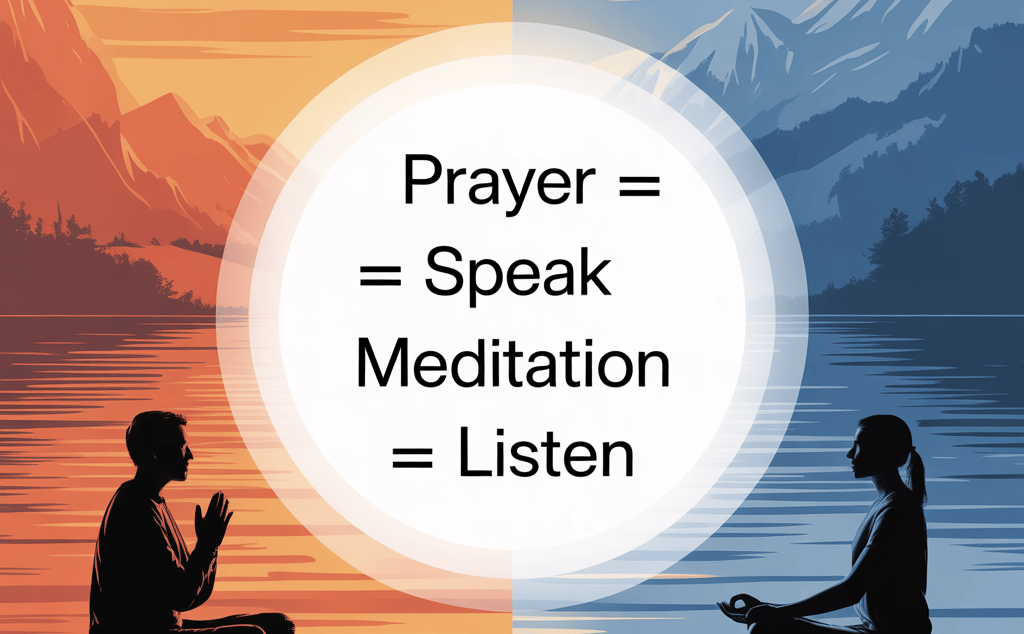
The truth is, Christian meditation and prayer are not the same—but they are deeply connected. When practiced together, they create a powerful rhythm of communication with God: speaking and listening, expressing and receiving.
What Is Prayer?
Prayer is communication with God. It is the act of speaking to Him—sharing your thoughts, emotions, needs, and gratitude.
Prayer can take many forms:
Asking for help (petition)
Giving thanks (gratitude)
Confessing sins (repentance)
Worshiping God (praise)
At its core, prayer is relational. It is about connecting with God personally and honestly.
What Is Christian Meditation?
Christian meditation is the practice of focusing your mind on God’s Word, His character, and His presence.
Unlike some forms of secular meditation that emphasize emptying the mind, Christian meditation focuses on filling the mind with truth—especially Scripture.
It involves:
Reflecting on Bible verses
Being still in God’s presence
Listening for God’s guidance
Meditation is less about speaking and more about listening and reflecting.
Key Differences Between Prayer and Meditation
1. Direction of Communication
Prayer: You speak to God
Meditation: You listen and reflect on God’s Word
2. Focus
Prayer: Expression (your thoughts and feelings)
Meditation: Reflection (God’s truth and presence)
3. Activity Level
Prayer: Active communication
Meditation: Quiet stillness and focus
4. Purpose
Prayer: Build relationship through communication
Meditation: Deepen understanding and awareness of God
How Prayer and Meditation Work Together
Rather than choosing one over the other, the most effective spiritual life includes both.
Think of it this way:
Prayer is talking to God
Meditation is listening to God
Together, they create a balanced relationship.
Example Practice:
Start with prayer—share your thoughts and feelings
Read a Bible verse
Meditate on the verse quietly
End with a short prayer of gratitude
This simple routine allows you to both speak and receive.
Benefits of Prayer and Meditation
1. Reduced Stress and Anxiety
Both practices calm the mind and body, helping you feel more peaceful.
2. Stronger Faith
Prayer builds trust, while meditation deepens understanding of God’s promises.
3. Emotional Healing
Expressing your feelings and reflecting on truth brings inner healing.
4. Clearer Thinking
Meditation helps organize your thoughts and improve focus.
5. Deeper Relationship with God
Together, they create a consistent connection with God.
Biblical Foundation
The Bible encourages both prayer and meditation.
Prayer
1 Thessalonians 5:17 says:
“Pray without ceasing.”
Meditation
Psalm 1:2 says:
“But his delight is in the law of the Lord, and on His law he meditates day and night.”
These verses show that both practices are essential parts of a faithful life.
Practical Tips for Daily Practice
1. Set a Daily Time
Choose a consistent time each day to pray and meditate.
2. Start Small
Even 5–10 minutes can make a big difference.
3. Use Scripture
Select short Bible verses for meditation.
4. Create a Quiet Space
Minimize distractions to focus fully.
5. Be Consistent
Consistency is more important than perfection.
Common Misunderstandings
1. “Meditation Is Not Christian”
Biblical meditation has always been part of the Christian faith.
2. “Prayer Alone Is Enough”
While prayer is powerful, meditation adds depth and balance.
3. “I Don’t Have Time”
Even a few minutes a day can transform your mindset and spiritual life.
Encouragement for Beginners
If you are new to prayer or meditation, do not feel pressured to do it perfectly.
God values your heart, not your performance.
Start where you are, be consistent, and allow your relationship with God to grow naturally.
Conclusion: A Balanced Spiritual Life
Christian meditation and prayer are not competing practices—they are complementary.
Prayer allows you to speak to God, while meditation allows you to hear from Him.
Together, they bring peace, clarity, and strength to your life.
So take time each day to both speak and listen.
Because a life connected to God is a life filled with peace, purpose, and direction.
Internal Backlinks
Christian Meditation for Stress Relief
How Prayer Helps Mental Health (Scientifically + Biblically)
The Power of Silence in Christian Meditation
Daily Message of Hope and Encouragement